Introduction
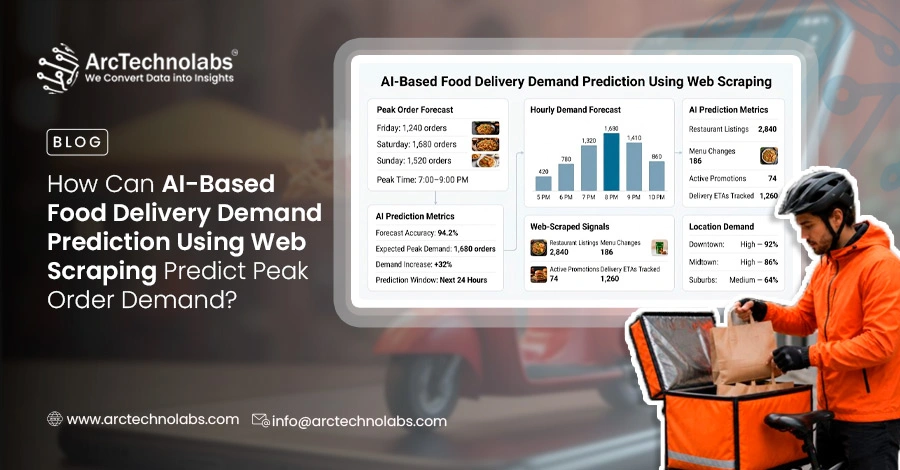
Food delivery platforms generate large volumes of information through menus, prices, ratings, locations, availability, delivery times, and customer interactions. Businesses can analyze these signals to understand ordering patterns and estimate when demand may rise. Modern Web Scraping Services help collect structured information required for meaningful demand analysis.
AI models can process historical and real-time restaurant information to identify patterns linked with weekdays, weekends, holidays, promotions, weather conditions, and local events. This approach allows businesses to move beyond basic historical reporting and build more responsive demand planning strategies for different locations and time periods.
With structured data, businesses can improve staffing, inventory preparation, delivery allocation, and promotional planning. AI-Based Food Delivery Demand Prediction Using Web Scraping combines automated data collection with predictive analytics, helping decision-makers interpret changing market conditions and prepare operational resources before order volumes reach their expected peaks.
Decoding Historical Signals to Anticipate Emerging Food Delivery Order Surges
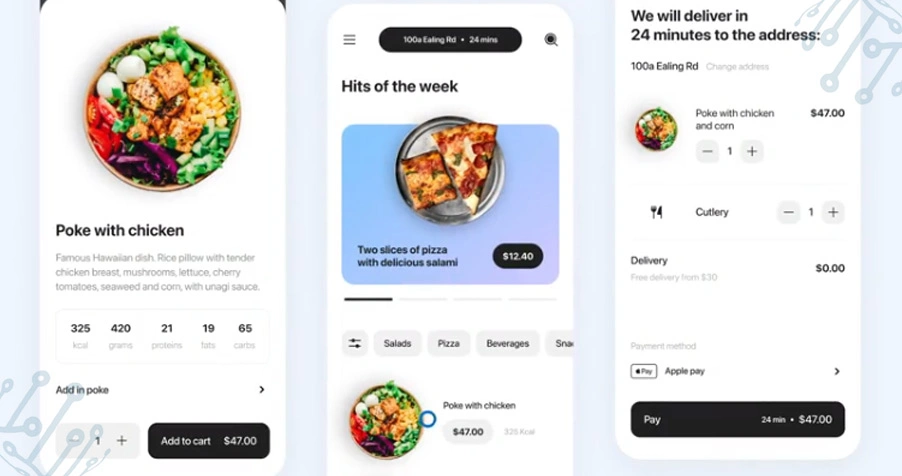
Food delivery demand varies significantly according to time, location, cuisine, restaurant popularity, pricing, promotions, and consumer routines. Businesses can examine these factors together to identify recurring demand patterns and understand which conditions are commonly associated with increased order activity. Predicting Restaurant Demand Using Food Delivery Data can help organize these signals into useful historical and location-based demand patterns.
A structured dataset can contain restaurant categories, cuisine types, menu details, prices, ratings, delivery estimates, availability, and location information. Food Delivery Web Scraping Datasets can then be organized according to restaurants, geographic areas, dates, and specific time intervals. This structure makes it easier to compare demand-related signals across different periods and identify recurring peaks.
Businesses can use these insights to prepare resources before anticipated high-volume periods. For example, restaurants can review previous evening demand to plan ingredients, while delivery operators can examine location-level activity to allocate riders more effectively. These comparisons also help identify differences between weekday and weekend demand.
- Compare demand patterns across different time periods.
- Group restaurant information by location and cuisine.
- Monitor recurring high-volume meal periods.
- Identify unusual changes in marketplace activity.
| Demand Signal | Example Pattern | Operational Application |
|---|---|---|
| Time period | Evening activity | Staff planning |
| Location | Concentrated demand | Delivery allocation |
| Cuisine | Category popularity | Inventory preparation |
| Day type | Weekend variation | Capacity planning |
Historical signals therefore provide the foundation for identifying potential demand surges and preparing operational resources before order volumes increase.
Uncovering Pricing Shifts That Influence Changing Food Delivery Demand Patterns
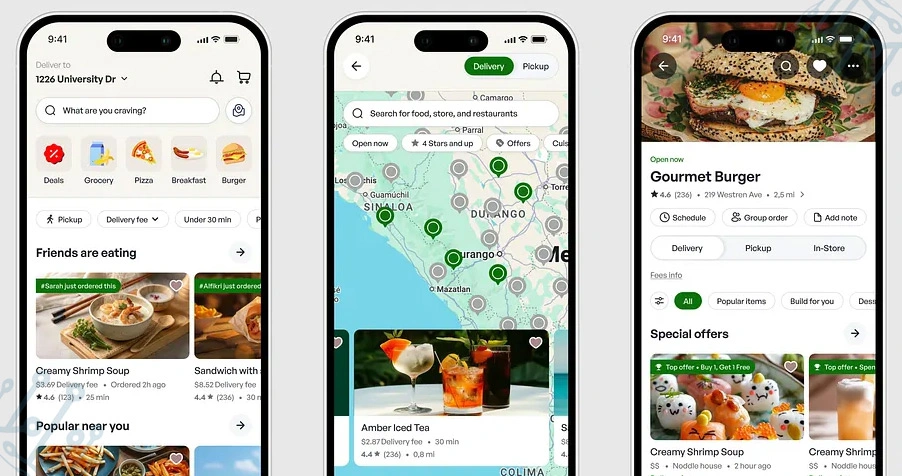
Pricing and menu conditions can influence customer decisions and marketplace activity. Restaurants frequently change prices, introduce offers, modify menus, or temporarily remove dishes based on supply, demand, and promotional strategies. Examining these changes alongside historical ordering patterns can provide additional context for understanding potential shifts in customer activity.
Businesses can use Food Delivery Market Intelligence and Price Scraping to observe pricing differences, discounts, menu changes, and competitive positioning across restaurants. These signals become more useful when collected repeatedly because businesses can compare how marketplace conditions change over time instead of relying on isolated observations.
Regular extraction can also provide structured historical records. Businesses may Extract Menu & Pricing Data at scheduled intervals to track changes across restaurants, cuisines, and locations. Such information can support forecasting workflows by showing whether demand-related changes occur alongside pricing adjustments, promotional campaigns, or changes in product availability.
- Track restaurant pricing at regular intervals.
- Compare discounts across competing restaurants.
- Monitor menu additions and removals.
- Connect promotional periods with demand changes.
| Data Element | Monitoring Purpose | Business Application |
|---|---|---|
| Menu pricing | Track changes | Pricing analysis |
| Discounts | Observe promotions | Campaign planning |
| Dish availability | Monitor supply | Menu planning |
| Restaurant ratings | Observe preferences | Competitive analysis |
Combining pricing and menu information with historical demand patterns gives forecasting systems broader marketplace context and helps businesses interpret potential changes more effectively.
Transforming Live Marketplace Signals Into Accurate Food Delivery Demand Forecasts
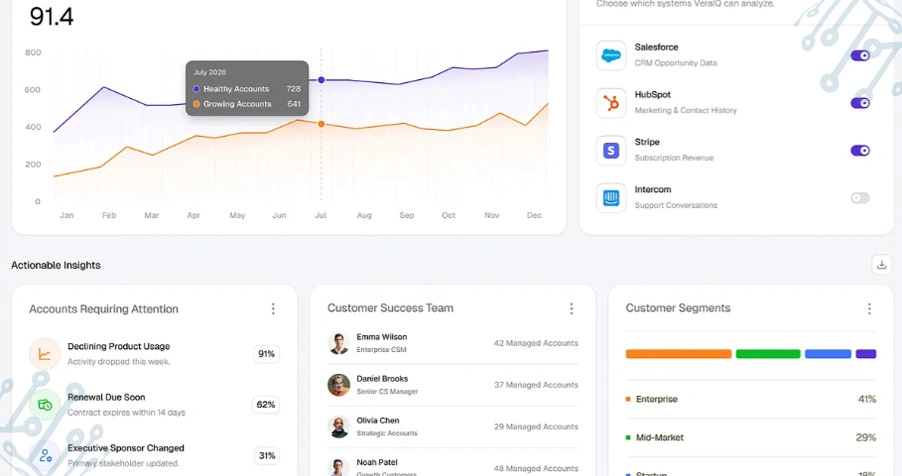
Demand forecasting becomes more responsive when businesses continuously monitor marketplace signals instead of depending entirely on historical information. Restaurant availability, pricing, delivery estimates, promotions, ratings, and menu changes can provide current indicators of marketplace conditions. Combining these signals allows analytical systems to identify changes that may influence upcoming demand.
Through Restaurant Data Scraping for Food Delivery, businesses can collect structured information from selected restaurants, locations, and marketplace categories at defined intervals. Fresh data can then be compared with historical observations to identify emerging patterns, sudden changes, or unusual activity that may require operational attention.
AI models can process multiple variables simultaneously and estimate potential changes in demand. Real-Time Food Delivery Demand Forecasting Using AI can incorporate recent marketplace signals with historical patterns to support decisions involving staffing, inventory, delivery capacity, and promotional scheduling. The objective is not simply to predict order numbers but to provide useful operational context.
- Collect marketplace information at scheduled intervals.
- Compare current signals with historical patterns.
- Identify sudden changes in restaurant activity.
- Feed structured information into forecasting workflows.
| AI Input | Forecasting Role | Operational Use |
|---|---|---|
| Historical activity | Pattern recognition | Capacity planning |
| Current availability | Supply monitoring | Resource allocation |
| Delivery estimates | Service monitoring | Rider planning |
| Promotional activity | Demand context | Campaign coordination |
Businesses can also connect automated workflows with analytical platforms. Web Scraping API Services can support structured data delivery into forecasting systems, dashboards, or other applications where current information is required for ongoing demand analysis.
How ArcTechnolabs Can Help You?
We can build structured data collection workflows that support AI-Based Food Delivery Demand Prediction Using Web Scraping. The process can collect restaurant, menu, pricing, availability, rating, location, and delivery information from relevant sources and organize it into analysis-ready datasets. These datasets can then support forecasting models and operational dashboards.
The collected information can be processed according to specific locations, restaurants, cuisines, time periods, or business requirements. This structured approach makes it easier to compare marketplace conditions and identify recurring demand patterns without depending entirely on manual data collection.
Key capabilities can include:
- Automated restaurant data collection
- Scheduled extraction workflows
- Location-based dataset organization
- Historical data development
- Data cleaning and normalization
- Analytics platform integration
The resulting datasets can support forecasting workflows while giving businesses a clearer view of changing marketplace conditions. Data can also be prepared for machine learning applications where historical and current signals need to be analyzed together.
For organizations seeking deeper customer insights, Food Delivery Consumer Behavior Analysis via Scraping can provide additional context around restaurant preferences, pricing responses, ratings, menu choices, and availability. We can help structure these datasets so they can complement forecasting models and support operational decisions across food delivery businesses.
Conclusion
Effective demand forecasting depends on reliable data collected across relevant time periods and marketplace conditions. AI-Based Food Delivery Demand Prediction Using Web Scraping can combine automated data collection with analytical workflows to help businesses understand recurring demand patterns, monitor marketplace changes, and prepare resources around expected order activity.
Customer behavior provides another important dimension when interpreting these signals. Predicting Restaurant Demand Using Food Delivery Data can support analysis of location, cuisine, pricing, availability, and timing patterns while helping businesses build more structured forecasting workflows. Contact ArcTechnolabs today to develop reliable food delivery data solutions for forecasting, analytics, and operational planning.