Introduction
Quick commerce is transforming how consumers purchase groceries, with delivery times shrinking to minutes and expectations rising for real-time availability and pricing accuracy. Platforms like Blinkit are leading this rapid shift by enabling ultra-fast fulfillment supported by hyperlocal warehouses and predictive demand systems. This is where Blinkit Data Scraping Services play a vital role in extracting actionable insights from product listings, pricing updates, and delivery patterns.
By leveraging Blinkit Data Scraping for Quick Commerce Insights, companies can analyze fluctuations in product demand, monitor competitor pricing strategies, and identify stock availability trends across locations. These insights are essential for retailers, FMCG brands, and aggregators seeking to optimize operations and pricing in a highly competitive ecosystem.
As grocery shopping behavior becomes more data-driven, organizations must embrace advanced analytics to understand how consumer preferences evolve across regions and time slots. With quick commerce projected to grow at over 40% annually in major urban markets, the ability to collect and interpret data effectively can define success. This blog explores key problem-solving areas where Blinkit data scraping drives measurable impact on business decisions and operational efficiency.
Analyzing Customer Buying Behavior Across Time and Locations
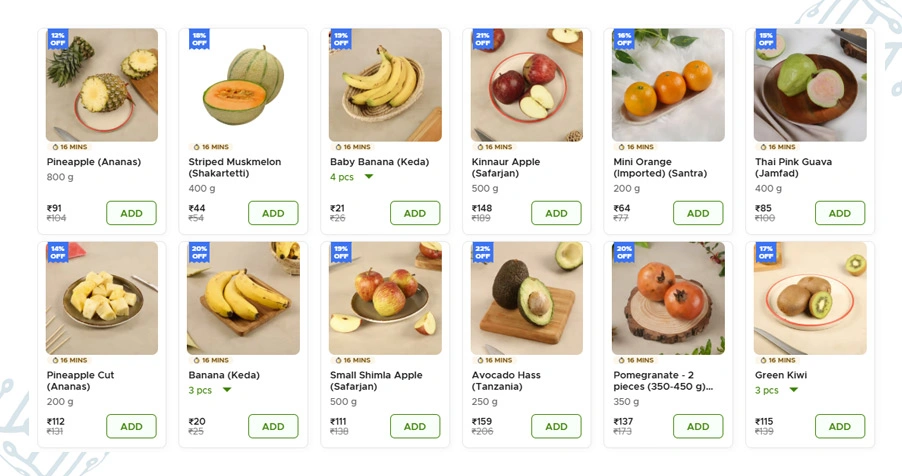
Understanding customer demand patterns is critical in quick commerce, where purchasing decisions change rapidly based on time, convenience, and availability. Businesses often face challenges in predicting which products will perform well across different regions and time slots. By applying Blinkit Dataset, organizations can uncover historical demand signals that reveal category-level performance and consumption frequency.
Using structured approaches such as How to Scrape Blinkit Grocery Data for Analytics, companies can extract detailed product-level insights, including pricing, availability, ratings, and delivery times. This enables more precise forecasting models that align inventory with real demand.
For example, daily essentials like milk and bread often peak during early morning hours, while snacks and ready-to-eat items trend in late evenings. Businesses that align their stocking strategies with these insights can reduce wastage and improve customer satisfaction.
Key Demand Insights Table:
| Data Parameter | Insight Generated | Business Impact |
|---|---|---|
| Time-based Orders | Peak purchase hours | Inventory allocation optimization |
| Product Category Trends | High-demand SKUs | Better assortment planning |
| Regional Preferences | Location-specific buying patterns | Hyperlocal targeting strategies |
| Stock Availability Data | Frequently out-of-stock items | Improved supply chain coordination |
Data-driven demand planning can reduce stockouts significantly while improving operational efficiency and ensuring better alignment with customer expectations.
Managing Price Fluctuations and Competitive Positioning Effectively
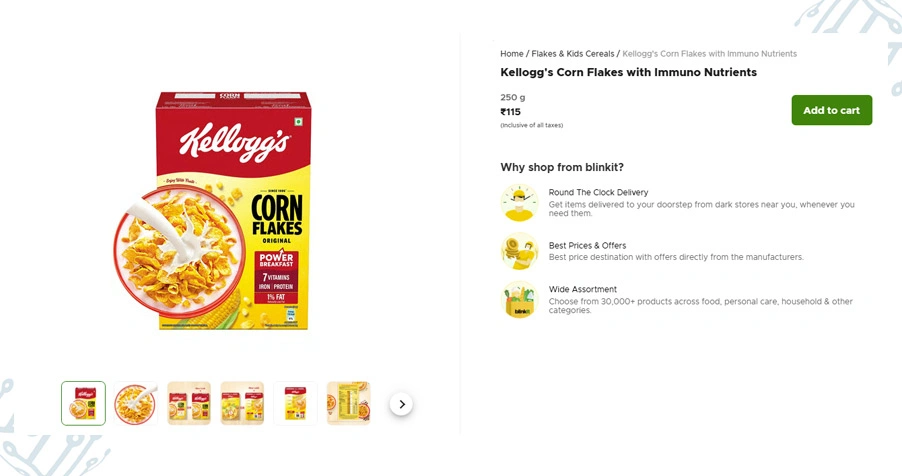
Pricing volatility is a constant challenge in quick commerce, where competitors frequently adjust prices, discounts, and promotional strategies. Without continuous monitoring, businesses risk losing market share due to uncompetitive pricing. Leveraging Quick Commerce Data Scraping allows organizations to track real-time price movements and respond quickly to changing market conditions.
Through Real-Time Blinkit Data Scraping for Price Monitoring, companies can capture instant updates on product pricing across locations. This ensures that pricing strategies remain aligned with competitor offerings while maintaining profitability. Additionally, accessing a Blinkit Quick Commerce Dataset for Market Analysis provides a broader perspective on pricing benchmarks and discount trends across categories.
These insights enable businesses to identify underpriced or overpriced products and adjust accordingly. For instance, frequent discounts on staple items can drive higher customer retention, while strategic pricing on premium products can improve margins.
Pricing Intelligence Table:
| Pricing Metric | Data Captured | Strategic Benefit |
|---|---|---|
| Product Price Changes | Real-time price updates | Dynamic pricing optimization |
| Discount Trends | Promotions and offers | Competitive campaign planning |
| Competitor Pricing | Cross-platform comparison | Market positioning improvement |
| Margin Analysis | Cost vs selling price | Profitability optimization |
Organizations using pricing intelligence tools often experience improved revenue consistency and stronger competitive positioning in highly dynamic markets.
Improving Stock Availability and Delivery Operations Efficiency
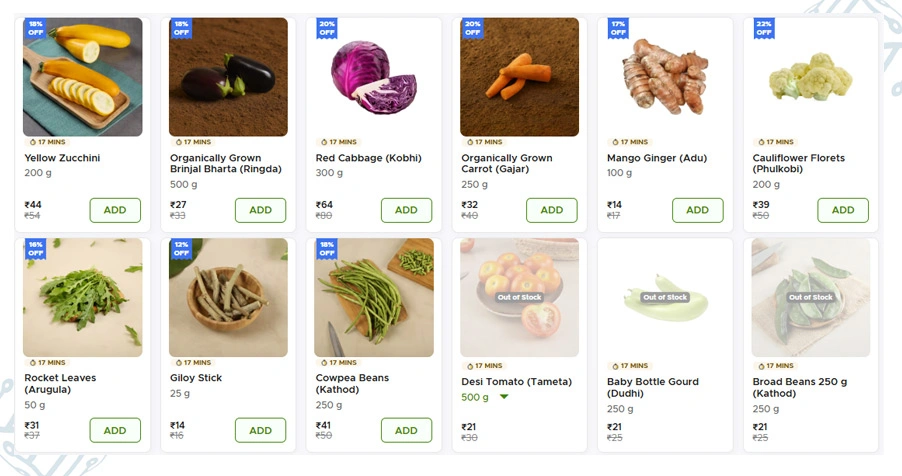
Efficient inventory management is essential for ensuring smooth operations in quick commerce environments. Businesses frequently encounter issues such as stockouts, delayed replenishment, and inconsistent product availability. By utilizing a Grocery Delivery Dataset, companies can track inventory flow, delivery timelines, and fulfillment efficiency across multiple locations.
Applying Blinkit Data Scraping for Real-Time Grocery Insights enables organizations to monitor live stock availability and respond quickly to demand changes. This real-time visibility helps reduce lost sales opportunities and enhances customer satisfaction. Furthermore, integrating Blinkit Data Scraping Tools for Quick Commerce Platforms supports automation of data extraction, minimizing manual intervention and improving data accuracy.
For example, identifying frequently unavailable products allows businesses to adjust supplier relationships or restocking schedules. Similarly, analyzing delivery timelines helps optimize logistics routes and improve last-mile efficiency.
Inventory Optimization Table:
| Inventory Factor | Data Insight | Operational Outcome |
|---|---|---|
| Stock Levels | Real-time availability | Reduced stockouts |
| Delivery Timelines | Fulfillment speed | Improved customer satisfaction |
| Warehouse Performance | Order processing efficiency | Optimized logistics operations |
| Replenishment Cycles | Restocking frequency | Balanced inventory levels |
Businesses that adopt data-driven inventory strategies can significantly enhance fulfillment accuracy, reduce delays, and ensure consistent product availability across all service areas.
How ArcTechnolabs Can Help You?
In a competitive quick commerce landscape, businesses need scalable data solutions that transform raw information into actionable intelligence. By integrating Blinkit Data Scraping for Quick Commerce Insights, we enable organizations to make faster, data-backed decisions that enhance pricing, inventory, and customer engagement strategies.
Our Capabilities Include:
- Advanced data extraction from multiple app interfaces.
- Scalable infrastructure for high-volume data processing.
- Real-time monitoring systems for dynamic updates.
- Custom dashboards for actionable insights.
- Secure and compliant data handling practices.
- Integration with business intelligence tools.
We also empower businesses with enriched datasets tailored for strategic planning using a Quick Commerce Dataset, ensuring decision-makers have access to reliable and structured data.
Additionally, our solutions align with Blinkit Data Scraping Tools for Quick Commerce Platforms to maximize efficiency and automation across workflows.
Conclusion
The growing demand for instant grocery delivery highlights the importance of accurate and real-time data in decision-making. Businesses adopting Blinkit Data Scraping for Quick Commerce Insights can significantly improve forecasting, pricing strategies, and operational efficiency while adapting to evolving consumer expectations.
As competition intensifies, integrating data-driven approaches such as Blinkit Data Scraping for Real-Time Grocery Insights ensures sustainable growth and better customer experiences. Connect with ArcTechnolabs today to transform your quick commerce strategy with powerful data intelligence solutions.