Introduction
The quick-service restaurant industry is evolving rapidly across North America, where menu prices shift frequently due to inflation, ingredient costs, labor rates, and supply chain disruptions. For QSR brands, investors, delivery platforms, and market intelligence teams, pricing is no longer a seasonal adjustment—it is a daily competitive factor.
Today, the smartest strategy is to Track QSR Menu Prices Across the USA and Canada using automated data collection methods that reveal regional price gaps, promotional changes, and consumer affordability trends. This approach allows brands to detect early inflation patterns, identify which categories are rising fastest, and predict which menu items may lose demand due to cost spikes.
One of the most valuable sources for inflation benchmarking is Food Delivery Menu Datasets, because delivery platforms reflect real-time consumer-facing prices, including bundled offers, limited-time discounts, and add-on charges. With structured tracking, businesses can convert scattered pricing information into actionable insights that support strategic pricing, expansion planning, and competitive positioning across the USA and Canada.
Detecting Pricing Pressure Through Detailed Item Tracking
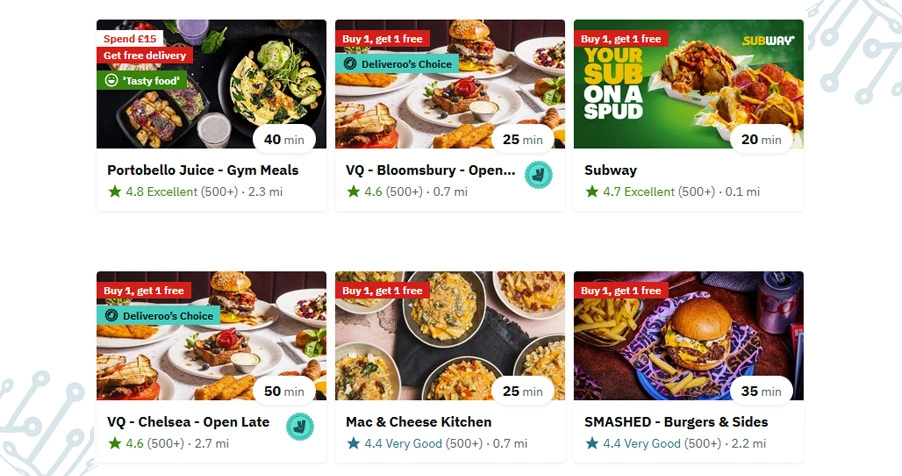
Tracking menu inflation requires more than checking average meal prices. QSR brands often adjust prices at the product level, where small increases in add-ons, combo upgrades, or portion sizes can quietly influence customer spending. That is why businesses rely on structured Food and Restaurant Menu Datasets to measure which categories are rising fastest and where inflation is impacting profitability.
In many cases, inflation appears first in metro areas due to higher operating costs, while smaller regions adjust later. To ensure accuracy, businesses increasingly adopt Real Time Restaurant Data Scraping Solutions that collect menu updates frequently and store them in consistent formats. This approach reduces manual work while improving forecasting reliability.
By monitoring item-level price movements, QSR operators can determine whether inflation is driven by supply chain disruptions, ingredient shortages, labor cost increases, or strategic repositioning. Such insights also support smarter pricing decisions, allowing brands to protect margins without losing loyal customers.
Regional Inflation Snapshot for QSR Items:
| Region | Combo Meal Price Change | Beverage Price Change | Inflation Signal Strength |
|---|---|---|---|
| California, USA | +9.4% | +6.8% | High |
| Texas, USA | +6.2% | +4.1% | Medium |
| Ontario, Canada | +8.7% | +5.9% | High |
| Alberta, Canada | +5.4% | +3.2% | Medium |
| New York, USA | +10.1% | +7.3% | High |
When inflation is tracked continuously, businesses gain a clearer view of long-term market behavior and can respond faster with promotional adjustments, bundle changes, or regional pricing updates.
Building Market Comparisons With Competitive Pricing Insights
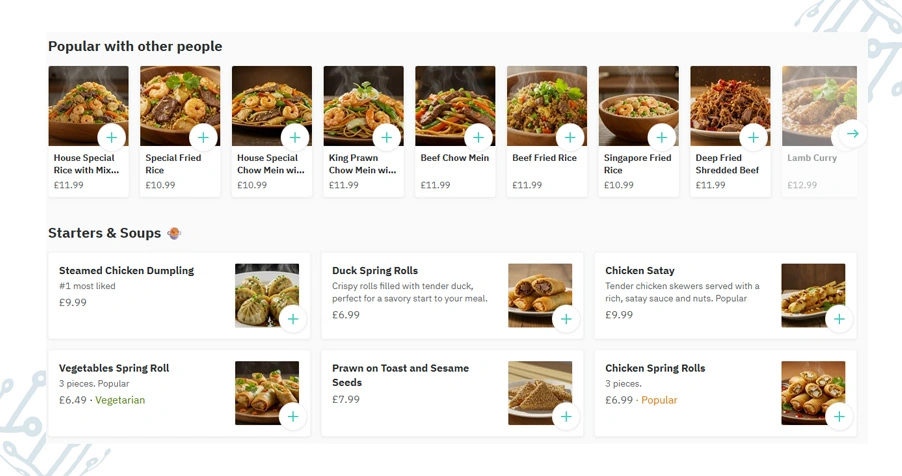
In the QSR industry, even minor price differences can influence customer decisions, especially when inflation reduces spending power. Using Fast Food Competitor Analysis Scraping, businesses can capture pricing changes across multiple chains, identify discount cycles, and monitor how rivals respond to inflation.
A major challenge is that pricing is rarely uniform across regions. Menu items may be cheaper in suburban locations but higher in downtown metro areas due to rent and wage differences. Competitive monitoring helps brands understand whether price hikes are market-driven or competitor-driven.
To support this process, many organizations depend on QSR Web Scraping Services that extract item-level pricing and promotions from digital menus. This enables structured comparisons across provinces, states, and store clusters. The real benefit is strategic clarity: brands can decide where to raise prices, where to hold steady, and where to introduce bundles that maintain affordability.
Competitor Pricing Comparison Across Markets:
| Menu Item | Brand A (USA Avg) | Brand B (USA Avg) | Brand C (Canada Avg) | Competitive Gap |
|---|---|---|---|---|
| Cheeseburger | $3.49 | $3.79 | $3.99 | Moderate |
| Chicken Sandwich | $5.99 | $6.49 | $6.79 | High |
| Fries (Medium) | $2.79 | $2.99 | $3.19 | Medium |
| Breakfast Combo | $6.49 | $6.99 | $7.49 | High |
| Soft Drink | $1.89 | $2.19 | $2.29 | Medium |
This helps in optimizing menu design, improving promotional timing, and ensuring pricing remains aligned with customer expectations in every market.
Capturing Digital Menu Shifts Across Ordering Channels
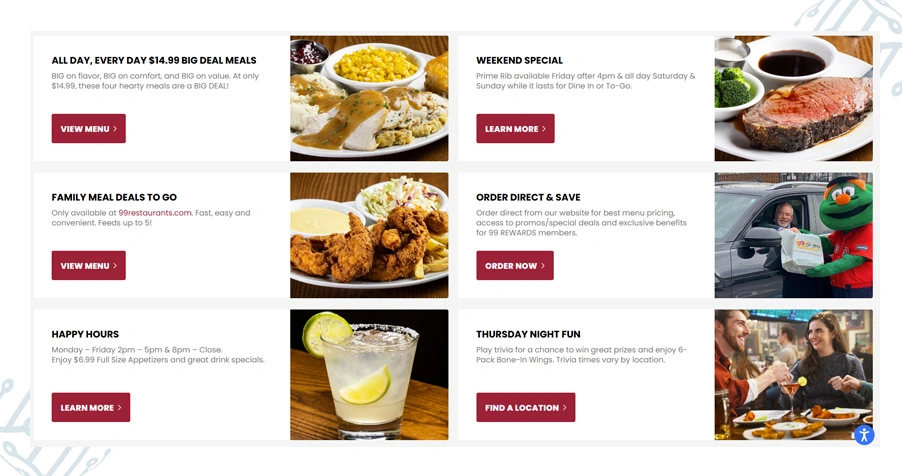
Modern QSR pricing strategies are no longer limited to in-store menu boards. Digital ordering platforms now influence what customers actually pay, and inflation often becomes visible faster through delivery menus. Brands may keep dine-in prices stable while increasing delivery pricing through platform fees, markups, and add-on adjustments.
A reliable approach is Restaurant Price Scraping USA, combined with structured monitoring of Canadian markets, to collect pricing changes across multiple ordering channels. This process captures not only base item prices but also modifiers such as meal upgrades, toppings, packaging charges, and delivery bundles.
For example, combo upgrade costs may increase from $1.00 to $1.50, which raises the final bill without altering the advertised meal price. This is why many organizations use Restaurant Price Scraping USA as a key intelligence method for monitoring inflation patterns across cities and high-demand zones.
Delivery vs In-Store Pricing Differences:
| Menu Item | In-Store Price | Delivery App Price | Price Difference |
|---|---|---|---|
| Burger Combo | $7.49 | $8.29 | +10.7% |
| Chicken Wrap | $4.99 | $5.69 | +14.0% |
| Fries | $2.99 | $3.39 | +13.4% |
| Coffee | $1.99 | $2.29 | +15.1% |
| Family Meal Bundle | $19.99 | $22.49 | +12.5% |
To execute this at scale, companies partner with a trusted Restaurant Data Scraping Company that ensures accuracy, structured formatting, and clean datasets ready for BI tools.
How ArcTechnolabs Can Help You?
Building a reliable pricing intelligence framework goes far beyond simply gathering menu prices. Track QSR Menu Prices Across the USA and Canada to support smarter pricing decisions, improve market visibility, and strengthen competitive positioning.
Our Key Support Capabilities:
- Multi-location menu tracking across cities and provinces.
- Daily and hourly pricing change monitoring.
- Regional inflation comparison dashboards.
- Promo and limited-time offer detection.
- Structured item-level menu intelligence.
- Clean export formats for BI and forecasting models.
By working with a specialized Restaurant Data Scraping Company, businesses can reduce operational effort while improving pricing visibility and competitive intelligence across North America.
Conclusion
Modern pricing volatility demands a smarter approach where brands do not rely on outdated reports or quarterly menu reviews. When businesses Track QSR Menu Prices Across the USA and Canada, they gain clear visibility into inflation signals, regional pricing gaps, and consumer affordability shifts.
Using Real Time Restaurant Data Scraping Solutions makes it possible to convert scattered pricing updates into structured intelligence that improves decision-making across every market. Connect with ArcTechnolabs today to build a scalable QSR pricing intelligence system that delivers measurable results.