Introduction
The fashion retail industry has never been more competitive. With rapid seasonal cycles, fluctuating demand, and aggressive pricing across global platforms, brands must respond faster than ever. How Zara Data Scraping Helps Fashion Brands build smarter strategies is becoming a critical conversation among fashion-forward retailers who want to close the gap between data and decision-making. We stepped in to offer a structured, scalable solution built specifically for fashion-focused intelligence. With our Zara Data Scraping Services, clients get instant access to actionable market data.
Understanding where pricing stands in real time is not a luxury anymore, it is a business necessity. Fashion brands competing with global retailers like Zara need persistent, accurate data flowing into their systems every day. Our team designed an end-to-end pipeline that continuously captures product updates, catalog shifts, and pricing signals. The insights gathered helped one of our clients move from reactive decisions to truly proactive planning.
This case study outlines the approach, tools, and measurable outcomes delivered when we partnered with a leading fashion retail brand to reimagine how they interpret competitor data. From catalog visibility to pricing agility, every result was grounded in real, structured data, not assumption. The impact was felt across sourcing, merchandising, and digital retail operations almost immediately.
The Client
Our client is a mid-to-large fashion retail brand with an active presence in over 20 cities across India and a growing international e-commerce footprint. They carry seasonal lines for men, women, and children, competing directly with global fast-fashion players. Understanding how Zara Data Scraping Helps Fashion Brands navigate pricing and catalog dynamics was the foundation of this partnership. The brand was struggling to maintain competitive pricing without a reliable intelligence layer underneath their decisions.
They operated across both their own digital storefront and multiple third-party e-commerce marketplaces. Despite having an in-house analytics team, their data was fragmented, delayed, and manually curated, making real-time decisions nearly impossible. They needed structured, platform-ready data delivered consistently, not just periodic snapshots. That is when Zara Product Data Extraction became a priority in their digital strategy roadmap.
The brand had ambitious targets for the upcoming festive and end-of-season sale windows. Missing pricing windows or catalog misalignments during these periods carried significant revenue risk. They approached us to build a system that would eliminate blind spots, automate competitor tracking, and power their pricing and merchandising teams with clean, continuous data streams they could trust.
Key Challenges
The fashion market moves at a pace that manual monitoring simply cannot match. Zara updates its catalog multiple times per week, adjusting pricing across categories based on geography, seasonality, and inventory cycles.
- For our client, keeping pace with these changes manually meant errors, delays, and missed opportunities at the worst possible times.
- Their core obstacles included tracking catalog updates across hundreds of SKUs, identifying when Zara dropped prices on competing product lines, and understanding how promotional structures varied across regions.
- Without Real-Time Zara Competitor Price Monitoring, the team was always a few steps behind when making markdown or promotional decisions during critical retail windows.
- The absence of automated, structured data was not just a technical problem, it was costing them in both margin and market share during peak shopping periods.
Additionally, there was no unified system connecting competitor data to their internal BI tools. Insights stayed siloed in spreadsheets rather than flowing into the systems where merchandise and pricing teams actually worked.

Key Solution
We built a custom scraping and data delivery architecture designed specifically to address the client’s pricing and catalog visibility challenges. The solution was modular, scalable, and deeply integrated with the client’s existing analytics infrastructure.
The key components of the solution included:
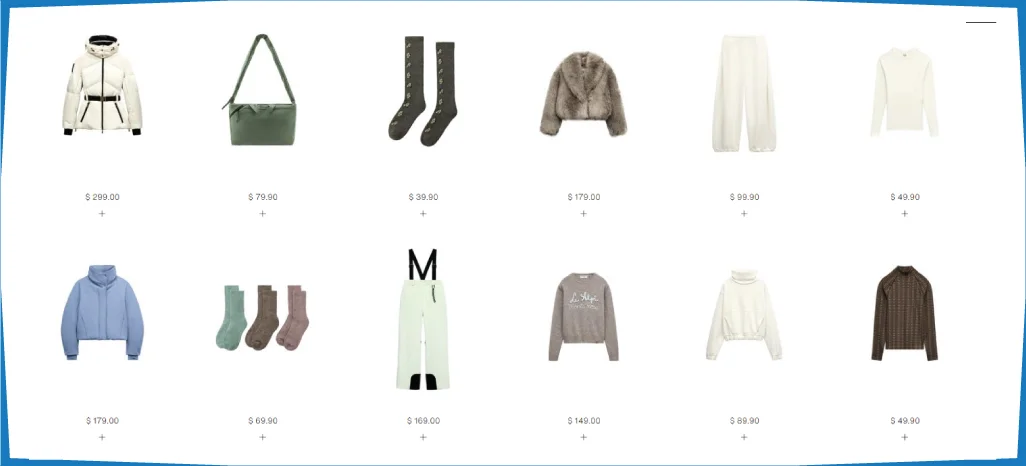
- Zara Web Data Scraper deployed to capture daily product listing changes, SKU-level price updates, and category-level availability across Zara’s global and India-specific storefronts
- Zara Product Data Extraction pipelines designed to pull structured product metadata including fabric details, sizing, category tags, and listing timestamps
- Real-Time Zara Competitor Price Monitoring dashboards that flagged price changes within hours of them going live on Zara’s platform
- Zara Competitor Pricing Data API integration enabling the client’s pricing engine to automatically receive competitor price signals and trigger internal review workflows
- Automated alerts for Zara Price Drop Monitoring tied to the client’s top 300 competing SKUs
- Structured catalog feeds delivered daily to the client’s product management team for alignment reviews
Every component was tested for reliability across both web and mobile versions of Zara’s platform, ensuring no data gaps during high-traffic seasonal windows. The entire pipeline ran continuously without manual intervention.
Measured Outcomes and Business Impact
The results of this engagement were visible within the first few weeks. The client’s pricing team moved from weekly manual reviews to daily automated updates, dramatically reducing the response time to competitor price changes. The improvements spanned pricing accuracy, catalog completeness, and strategic planning efficiency.
| Metric | Before Implement | After Implement |
|---|---|---|
| Competitor price update frequency | Weekly manual review | Daily automated alerts |
| SKU coverage monitored | ~80 products manually | 300+ SKUs continuously |
| Time to respond to price drops | 5–7 business days | Under 12 hours |
| Catalog alignment accuracy | ~65% | 94% |
| Data delivery to BI tools | Manual export, 2x/week | Automated API feed, daily |
| Missed promotional windows | 6–8 per quarter | 1 per quarter |
The quantified impact was significant. By incorporating the Zara Competitor Pricing Data API into their pricing workflows, the client reduced promotional misfires and improved margin protection across their top-selling categories. Catalog alignment improved substantially, ensuring that their online product pages stayed competitive and current.
The team also benefited from a cleaner E-Commerce Dataset structure that allowed cross-platform analysis, something they had not been able to do reliably before. With historical pricing trends now captured and accessible, planning for the next seasonal window became a data-driven process rather than an intuition-based one.
Advantages of Implementing ArcTechnolabs
We bring more than just scraping capability, it delivers a structured intelligence framework tailored for fashion retail businesses that compete with globally fast-moving brands.
-
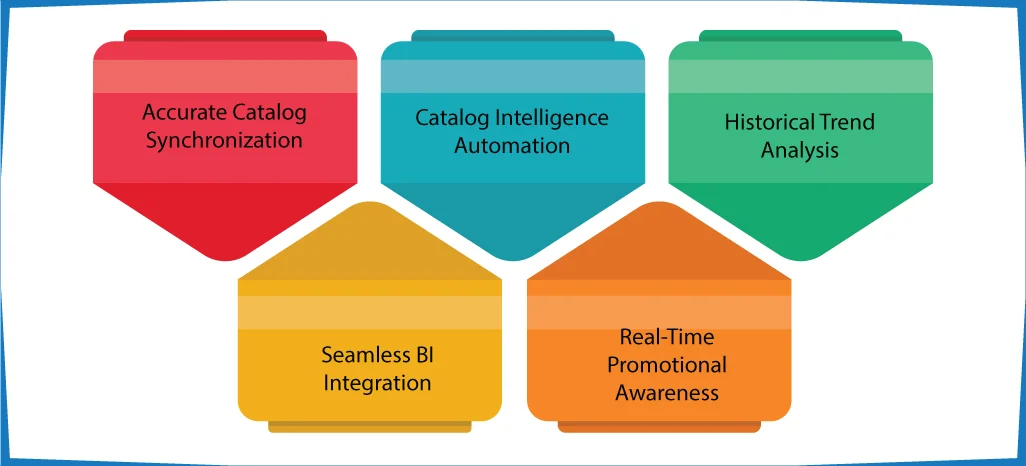
Accurate Competitor Price Signals
Our pipelines use a Zara Web Data Scraper to capture precise, SKU-level pricing shifts from Zara’s storefront, enabling merchandising teams to respond before margin windows close.
-
Seamless BI Integration
Extracted data flows directly into client dashboards via the Zara Competitor Pricing Data API, removing manual export steps and ensuring pricing teams always work with the freshest available figures.
-
Catalog Intelligence Automation
We automate Zara Product Data Extraction at scale, tracking product additions, removals, and attribute-level changes across categories so catalog teams maintain consistent market alignment.
-
Real-Time Promotional Awareness
With Ecommerce Data Scraping Services, clients receive automated alerts the moment Zara launches a discount campaign, flash sale, or bundle promotion, protecting revenue during critical retail periods.
-
Historical Trend Analysis
Our structured data archives support long-term trend tracking through Zara Price Drop Monitoring, giving fashion brands the ability to forecast competitor behavior across seasonal cycles with measurable confidence.
Client's Testimonial
ArcTechnolabs gave us something we had been trying to build internally for over a year, a reliable, automated window into how Zara’s pricing and catalog evolve week over week. We could finally see the patterns, respond faster, and protect our margins during the moments that mattered most. How Zara Data Scraping Helps Fashion Brands like ours make smarter decisions became very real for us through this engagement. The data arrived clean, structured, and exactly when we needed it.
– Head of Merchandising Strategy, Leading Fashion Retail Brand
Conclusion
Fashion retail demands intelligence that moves as fast as the market itself. How Zara Data Scraping Helps Fashion Brands build pricing precision and catalog agility is no longer a question, this case study proves the answer clearly. We deliver structured, scalable, and reliable data solutions built specifically for the competitive demands of fashion e-commerce.
Clients using our Real-Time Zara Competitor Price Monitoring capabilities consistently report faster decision cycles and stronger margin outcomes across key selling windows. Contact ArcTechnolabs today to discuss your data requirements and discover how our tailored fashion retail scraping solutions can reshape the way your teams plan, price, and position your catalog, every single day, across every platform that matters to your business.