Introduction
In today’s fast-evolving retail landscape, grocery businesses are under constant pressure to predict demand accurately and respond to changing consumer behavior. With massive product assortments, seasonal fluctuations, and shifting buying patterns, traditional forecasting methods often fall short. This is where data-driven approaches step in to redefine how grocery retailers operate.
The Kroger Dataset for Grocery Market Research Guide provides a powerful framework for analyzing historical sales, pricing patterns, and customer preferences at scale. Additionally, combining this dataset with Web Scraping Kroger Data allows businesses to gather real-time updates, competitor pricing, and promotional strategies, ensuring decisions are always based on the latest information.
With access to enriched Grocery Market Research Data, retailers can track trends, forecast demand, and optimize inventory planning with precision. This blog explores how structured Kroger datasets solve key grocery forecasting challenges, improve decision-making, and ultimately help businesses achieve up to 90% accurate sales predictions through actionable insights and strategic implementation.
Analyzing Changing Customer Demand Patterns Across Seasonal Cycles
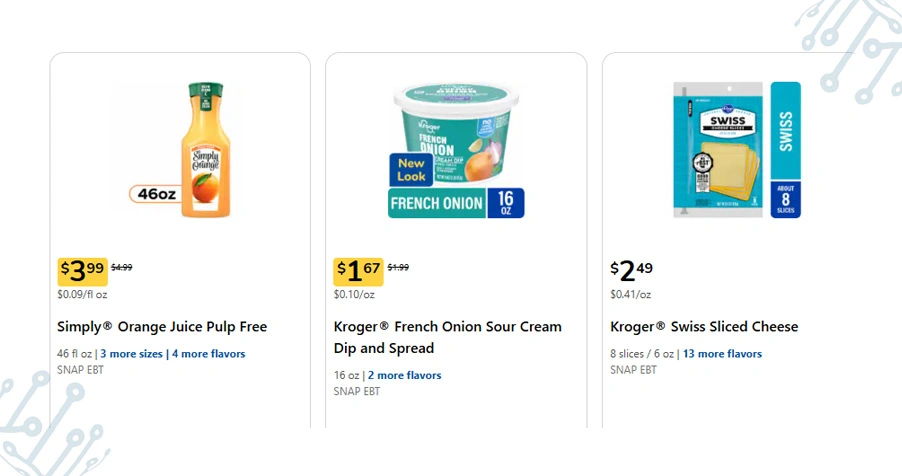
Understanding how demand shifts over time is essential for grocery retailers aiming to maintain efficiency and profitability. Seasonal variations, regional preferences, and promotional cycles all influence purchasing behavior, making it necessary to rely on structured datasets for clarity. By utilizing the Kroger Product Market Analysis Dataset, businesses can evaluate historical sales data and identify recurring patterns across categories.
For example, fresh produce demand may rise during certain months, while packaged goods remain relatively stable. These insights help retailers align procurement strategies with real-time needs, reducing excess inventory and minimizing stockouts. Additionally, Grocery Market Research Using Kroger Data Insights enables organizations to detect relationships between pricing strategies and customer response.
Another important advantage is the ability to track product lifecycle performance. Newly launched items often experience rapid demand initially, followed by stabilization. With Kroger Dataset for Demand and Trend Analysis, businesses can monitor these changes and adjust inventory planning accordingly.
Key Demand Insights Table:
| Metric | Insight Example | Business Impact |
|---|---|---|
| Seasonal Demand Variation | Ice cream peaks in summer | Plan inventory accordingly |
| Promotional Impact | Discounts increase sales by 30% | Optimize marketing spend |
| Regional Preferences | Organic foods higher in urban areas | Customize assortments |
| Product Lifecycle Trends | New items peak early | Improve launch strategies |
These data-driven insights help retailers make informed decisions, ensuring they remain responsive to evolving market conditions.
Improving Stock Management Strategies to Minimize Losses
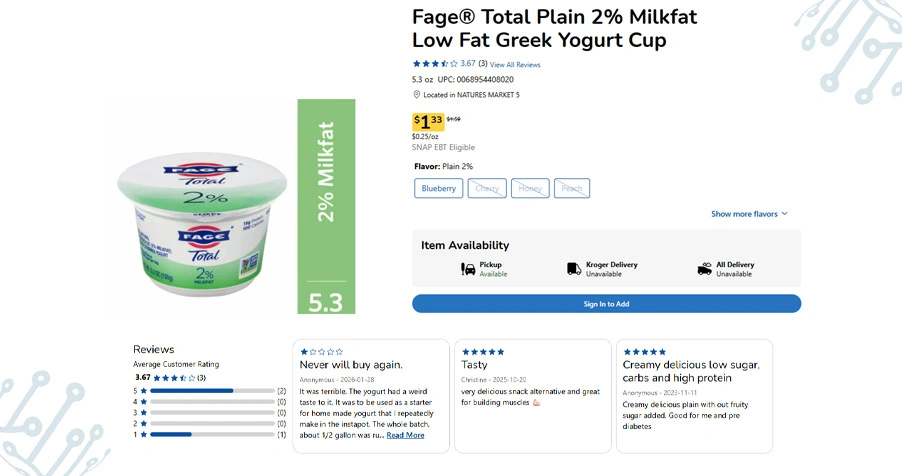
Efficient inventory management is critical in grocery retail, where perishable goods and fluctuating demand create constant challenges. Retailers must balance stock levels carefully to avoid both overstocking and stockouts. By leveraging Grocery Product Datasets, businesses gain better visibility into inventory movement, supplier timelines, and replenishment cycles.
These datasets allow retailers to track which items sell quickly and which products experience slower turnover. With this information, businesses can optimize storage, reduce waste, and improve supply chain coordination. Additionally, Grocery Analytics Using Kroger Product Data supports predictive inventory planning by analyzing historical trends and forecasting future demand.
Retailers can also use Using Kroger Data for Retail Business Intelligence to improve decision-making at every level. From store managers to supply chain teams, data-driven insights ensure that stock levels align with actual consumer demand. This reduces unnecessary costs while maintaining product availability for customers.
Inventory Optimization Table:
| Inventory Factor | Data Insight | Outcome |
|---|---|---|
| Stock Turnover Rate | Fast-moving items sell quickly | Increase reorder frequency |
| Shelf Availability | Weekend stockouts observed | Adjust restocking schedules |
| Waste Reduction | Perishables expiring frequently | Improve storage planning |
| Supplier Lead Time | Delays in deliveries | Strengthen vendor coordination |
By adopting structured analytics, grocery businesses can significantly improve operational efficiency and ensure consistent product availability.
Evaluating Customer Buying Behavior for Accurate Predictions
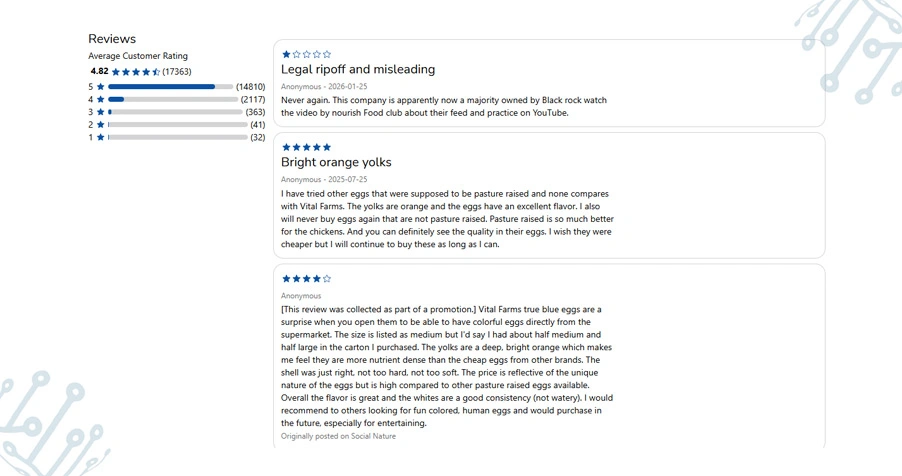
Customer behavior plays a crucial role in shaping grocery sales and forecasting outcomes. Retailers must understand purchasing habits, preferences, and price sensitivity to create effective strategies. Through Kroger Data Scraping, businesses can collect detailed insights into how customers interact with products and promotions.
This data helps identify patterns such as frequent purchases, preferred product categories, and response to discounts. With Kroger Consumer Behavior Analysis Data, retailers can segment their audience into different groups based on behavior and demographics. This segmentation allows for targeted marketing campaigns and personalized recommendations that improve customer engagement.
Additionally, Grocery Market Research Data provides a broader view of market trends, helping businesses align their strategies with consumer expectations. By analyzing purchasing frequency, basket size, and brand preferences, retailers can refine pricing and promotional strategies for better results.
Consumer Insights Table:
| Behavior Metric | Insight Example | Strategic Benefit |
|---|---|---|
| Purchase Frequency | Weekly shopping trends | Design loyalty programs |
| Basket Size | Average 5 items per purchase | Bundle product offers |
| Price Sensitivity | High for essential goods | Optimize pricing strategies |
| Brand Preference | Growth in private labels | Expand in-house brands |
With a deeper understanding of customer behavior, grocery retailers can enhance forecasting accuracy and deliver more personalized shopping experiences.
How ArcTechnolabs Can Help You?
In a competitive grocery landscape, businesses need reliable data solutions to drive accurate forecasting and smarter decision-making. The Kroger Dataset for Grocery Market Research Guide enables organizations to transform raw data into actionable insights that improve operational efficiency and profitability.
Our Key Capabilities:
- Advanced data extraction from multiple retail sources.
- Custom analytics models tailored to business needs.
- Real-time data processing and reporting solutions.
- Scalable infrastructure for large datasets.
- Data visualization dashboards for better decisions.
- Continuous monitoring and optimization support.
With our solutions, businesses can confidently implement Grocery Market Research Using Kroger Data Insights to improve performance, streamline operations, and achieve measurable growth.
Conclusion
Accurate forecasting in grocery retail depends on the ability to interpret complex datasets and translate them into meaningful strategies. By adopting the Kroger Dataset for Grocery Market Research Guide, businesses can significantly improve demand predictions, reduce inefficiencies, and enhance overall performance.
Additionally, integrating insights from Kroger Consumer Behavior Analysis Data allows retailers to better understand customer preferences and align their strategies accordingly. Ready to transform your grocery analytics? Connect with ArcTechnolabs today and take the next step toward data-driven success.