Introduction
Managing product information across multiple marketplaces can create fragmented records, inconsistent attributes, duplicate listings, and outdated pricing. A centralized approach helps businesses bring scattered information into one structured environment. Manage Unified Product Data Scraping From Multiple Platforms supports consistent catalog visibility while reducing manual reconciliation and improving operational accuracy.
Businesses operating across websites, marketplaces, mobile applications, and regional storefronts often encounter different naming conventions, formats, currencies, and product structures. Enterprise Web Crawling can continuously collect these variations at scale, helping teams maintain broader product coverage without depending entirely on manual collection processes or disconnected spreadsheets.
A reliable catalog strategy also requires structured validation after collection. Product names, categories, prices, availability, specifications, ratings, and seller information can be standardized before entering a central database. This creates a dependable foundation for comparison, reporting, inventory planning, competitive analysis, and ongoing catalog maintenance across multiple platforms.
Strategic Foundations for Building Consistent Product Structures Across Diverse Sources
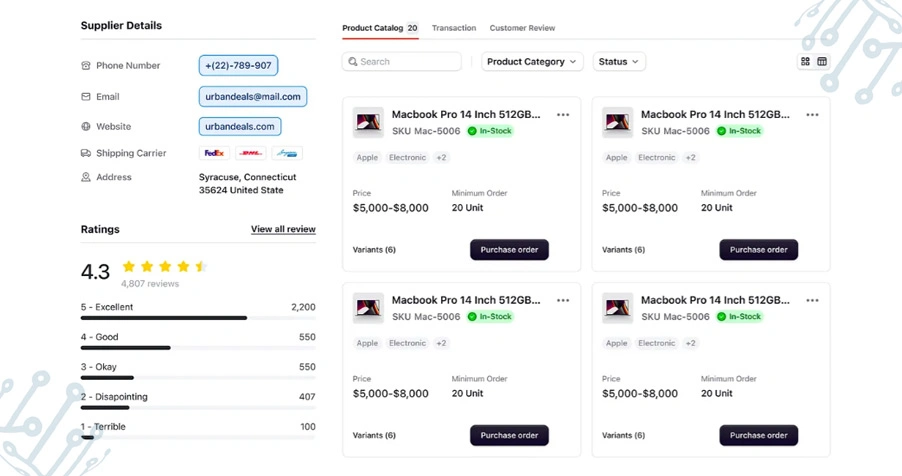
Product sources rarely follow identical structures, creating difficulties when businesses attempt to combine listings from several commercial platforms. Web Scraping Product Catalogs From Multiple Marketplaces helps gather comparable information while retaining essential attributes from each source. Standardized extraction allows teams to establish consistent fields for product names, brands, categories, prices, specifications, availability, and seller information without repeatedly collecting the same records manually.
Catalog differences become more noticeable when one marketplace uses detailed specifications while another relies on shorter descriptions or different attribute labels. A structured Web Scraping Service can map these variations into predefined fields, making the resulting dataset easier to compare and process. This approach also helps businesses identify missing information, duplicate entries, and inconsistent product identifiers before those issues affect downstream analysis or reporting.
Key practices can include:
- Creating common attribute structures
- Mapping source-specific product fields
- Detecting duplicate listings
- Validating required information
- Maintaining consistent product identifiers
A well-designed collection framework can support thousands or millions of records while maintaining predictable formatting. For example, an illustrative catalog containing 50,000 listings may contain substantial duplication before matching and validation. Applying consistent rules can reduce unnecessary duplicate records, improve field completeness, and make product-level comparisons more reliable across different commercial sources.
| Catalog challenge | Structured approach | Expected improvement |
|---|---|---|
| Different field names | Attribute mapping | Consistent records |
| Duplicate listings | Matching rules | Cleaner catalog |
| Missing information | Validation checks | Better completeness |
| Changing values | Scheduled updates | Fresher records |
Smarter Standardization Methods for Aligning Product Records Across Commercial Channels
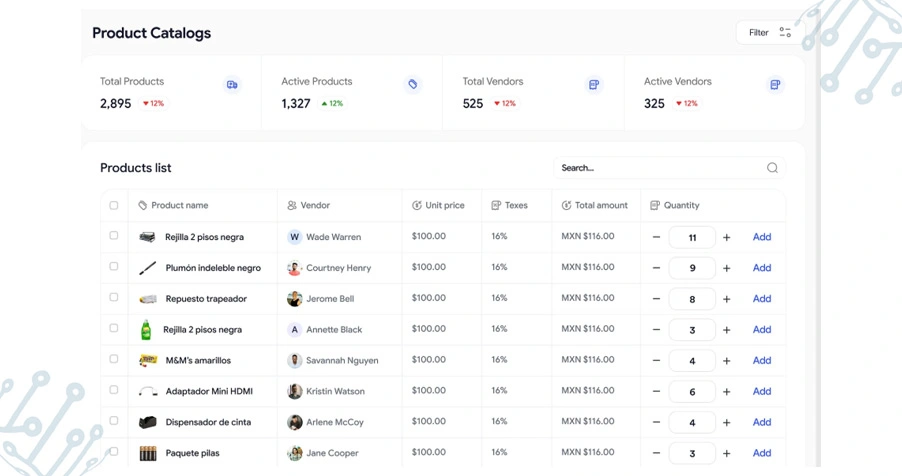
Product records collected from different platforms often contain inconsistent names, measurements, descriptions, currencies, and category structures. Unified Product Catalog Management and Scraping can establish standardized schemas that organize these variations into comparable records. This makes it easier to maintain a centralized catalog where product information follows predictable structures despite originating from different commercial channels.
Mobile applications introduce another layer of complexity because product information may be presented through dynamic interfaces, location-based results, or frequently changing screens. Mobile App Data Scraping can extend collection beyond traditional websites and capture relevant information from application-driven retail environments. When these records follow the same validation and normalization framework, businesses can compare information across channels more efficiently.
Important standardization activities include:
- Normalizing product titles
- Standardizing brand names
- Converting measurement units
- Aligning category structures
- Validating mandatory fields
Normalization is particularly valuable when catalogs become large. An illustrative dataset containing 100,000 records could include numerous inconsistent attributes before processing, including multiple spellings for brands, mixed measurement units, incomplete specifications, and different title structures. Applying systematic transformations helps reduce these variations while preserving important product-level information required for matching and analysis.
| Data element | Common variation | Standard approach |
|---|---|---|
| Product title | Different wording | Title normalization |
| Brand | Multiple spellings | Master mapping |
| Size | Mixed measurements | Unit conversion |
| Price | Different currencies | Currency handling |
Seamless Frameworks for Connecting Centralized Product Information With Continuous Workflows
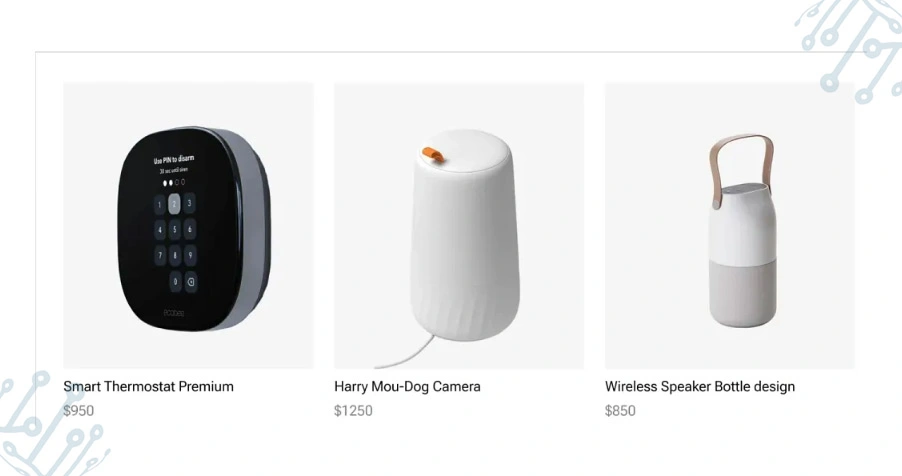
A centralized catalog becomes more useful when product information can be refreshed regularly instead of remaining as a static dataset. Clean and Normalize Product Data Scraping From Multiple Sources supports consistent processing by applying validation and formatting rules before records enter downstream systems. This creates a dependable structure for product comparison, reporting, monitoring, and operational decision-making.
Businesses can also connect refreshed records directly with internal platforms and analytical environments. Web Scraping API Services can provide structured information to applications, databases, dashboards, or business intelligence systems according to defined delivery requirements. Automated connections reduce repetitive transfers and help teams work with updated information without repeatedly downloading and restructuring files.
A continuous workflow can include:
- Collecting updated source records
- Comparing new and existing values
- Validating changed attributes
- Updating centralized records
- Delivering structured outputs
Refresh frequency can be adjusted according to how quickly different product attributes change. High-demand categories with frequently changing prices or availability may require several updates throughout the day, while slower-moving products can follow daily or weekly schedules. For example, a practical monitoring framework could refresh priority products every 1–6 hours while applying less frequent schedules to stable categories.
| Workflow stage | Main activity | Operational benefit |
|---|---|---|
| Collection | Capture source information | Broader coverage |
| Processing | Validate records | Better consistency |
| Matching | Link related products | Improved comparison |
| Refreshing | Update changed values | Current information |
How ArcTechnolabs Can Help You?
Managing scattered product information requires more than simply collecting records from different platforms. We can help businesses Manage Unified Product Data Scraping From Multiple Platforms through structured extraction, validation, normalization, and delivery workflows designed around their catalog requirements. The approach can support marketplaces, retailer websites, mobile applications, and other digital sources.
Key capabilities include:
- Mapping product attributes across different source structures
- Collecting product, pricing, availability, and seller information
- Identifying duplicate and closely matching product records
- Applying validation rules to improve dataset consistency
- Scheduling recurring extraction for catalog refreshes
- Delivering structured datasets for business integration
After collection, businesses can further improve their workflows through Product Data Unification via Scraping, allowing fragmented records to become a more organized product intelligence layer. We can also tailor extraction frequency, output formats, source coverage, and validation requirements according to specific catalog objectives and operational needs.
Conclusion
Fragmented product information can make catalog control difficult when businesses operate across numerous marketplaces, websites, and applications. Manage Unified Product Data Scraping From Multiple Platforms provides a structured approach for collecting, matching, standardizing, and maintaining product records within a centralized workflow. This helps teams reduce inconsistencies while improving visibility across their digital product ecosystem.
A dependable catalog also requires continuous refinement as products, prices, availability, and attributes change. Unify Product Information From Different Sources via Scraping can support ongoing synchronization and create a stronger foundation for catalog intelligence, comparison, and operational planning. Contact ArcTechnolabs today to build a scalable unified product data scraping solution for your multi-platform catalog.