Introduction
Depop has rapidly transformed into one of the most active and culturally influential resale marketplaces, with over 2.3 million resale signals shaping how buyers and sellers define trends. For brands, analysts, and resale entrepreneurs, understanding Depop's fast-changing product cycles and creator-led pricing moments is now essential. Businesses looking to Scrape Depop Listings for Resale Trend Analysis can interpret shifts across categories, identify trending aesthetics, and quantify influencer-driven demand patterns.
These insights help analysts decode not only product value but also the underlying motivations driving resale behavior. As more enterprises rely on data-backed decisions, the role of Enterprise Web Crawling becomes central to ingesting high-frequency listing updates with precision. With accurate extraction pipelines, businesses can perform deep pricing intelligence, spot micro-trends earlier, monitor fast flips, and evaluate product saturation levels.
Understanding Complexities Behind Depop Listing Data Structures
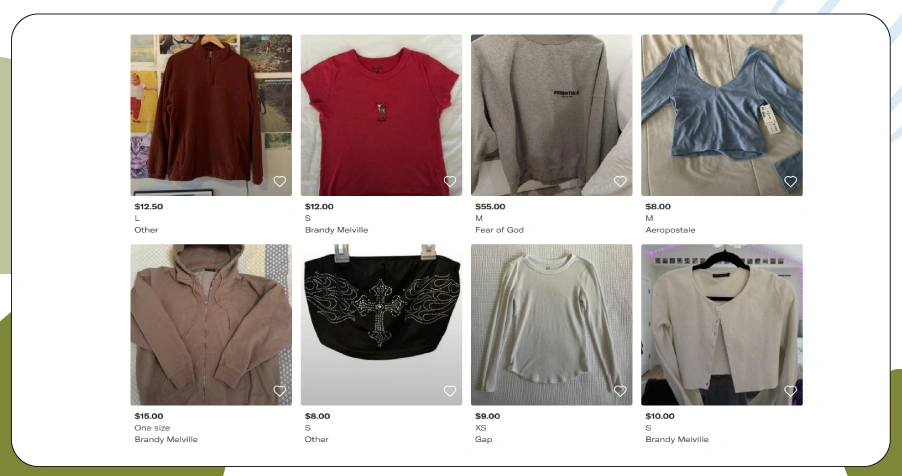
Depop's continuously shifting listing ecosystem makes structured analysis a challenge for brands exploring second-hand fashion dynamics. Product details, captions, hashtags, seller descriptions, and inconsistent metadata formats vary widely, which often results in unorganized datasets that are difficult to compare at scale.
Using Web Scraping Services, teams can convert this complexity into structured records aligned with resale intelligence needs. Organized datasets help categorize product types, identify pricing patterns, and detect frequently appearing micro-trends across different style segments. When processed at scale, these signals highlight the weekly momentum of niche fashion categories like vintage knits, oversized streetwear pieces, archival silhouettes, and handmade items.
Below is a structured table illustrating typical extracted attributes:
| Data Attribute | Extraction Purpose | Insight Generated |
|---|---|---|
| Title & Tags | Mapping trend clusters | Recognizing emerging fashion signals |
| Image Metadata | Quality evaluation | Understanding buyer perception |
| Seller Activity | Behavioral scoring | Filtering high-volume sellers |
| Pricing Edits | Pattern tracking | Spotting value fluctuations |
| Engagement Metrics | Visibility indicators | Ranking strong-performing items |
When enhanced with Depop Pricing Analysis, the structured dataset becomes capable of revealing deeper trend momentum, pricing shifts across categories, and day-to-day product visibility changes. This refined clarity helps analysts and resale teams build a reliable decision-making framework and monitor fashion evolutions within Depop more effectively.
Measuring Rapid Price Movements and Demand Acceleration Patterns
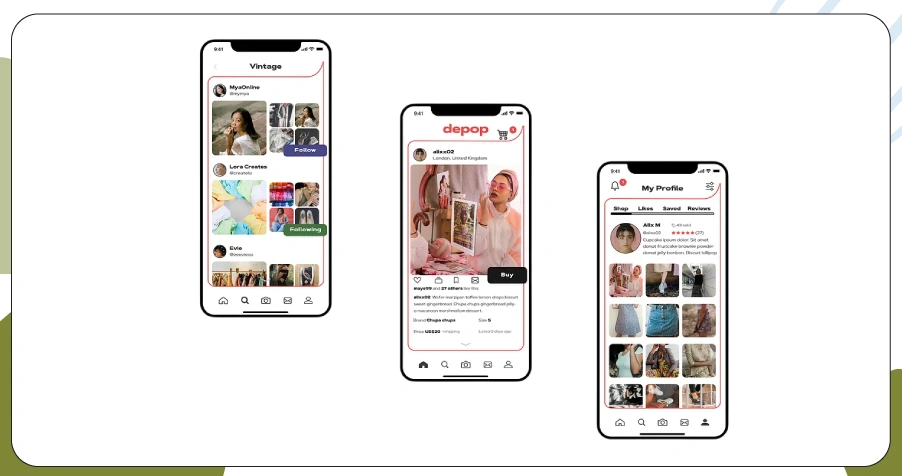
Depop pricing dynamics shift quickly, often influenced by external digital trends, creator recommendations, and seasonal transitions. Analysts studying resale fluctuations require more than static snapshots—they need consistent monitoring that tracks price edits, listing frequency patterns, and short-lived hype periods.
The ability to capture these changes is strengthened through Mobile App Data Scraping, enabling real-time visibility across Depop's mobile-driven environment. This allows analysts to observe how pricing fluctuates within hours and correlate those shifts with engagement metrics, category saturation, and viral influence.
Below is a sample showing how category prices shift across key time intervals:
| Time Interval | Average Category Price | % Change | Trigger |
|---|---|---|---|
| 09:00 AM | $34.10 | — | Baseline |
| 12:00 PM | $38.20 | +12% | Influencer Mention |
| 03:00 PM | $36.70 | -4% | Mid-day Adjustments |
| 06:00 PM | $41.30 | +13% | Viral Momentum |
Trend-focused categories often experience up to 20–30% daily volatility depending on creator influence. With added clarity from Real-Time Depop Product Price Tracking, teams can pinpoint which products hold stable value, which categories move quickly, and which niches are sensitive to sudden buyer interest. This level of analysis supports forecasting accuracy and helps identify pricing patterns that align with evolving resale consumer behavior.
Evaluating Seller Behavior for Stronger Resale Market Insights
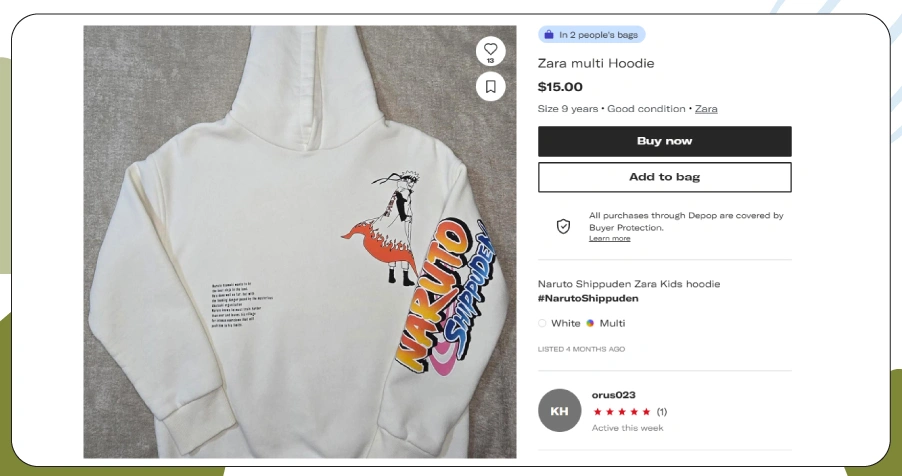
Depop sellers significantly shape marketplace dynamics, making their behavior a critical part of resale intelligence. Understanding how sellers upload, price, and present inventory reveals deeper clues about market saturation, category competitiveness, and resale opportunity windows.
Automated extraction methods supported through Web Scraping API Services help collect essential seller signals such as weekly activity, listing frequency, shipping speed, and buyer interaction patterns. These indicators reflect overall seller reliability and influence product visibility in search placements.
Below is a typical seller analytics breakdown:
| Seller Metric | Measurement Purpose | Insight Generated |
|---|---|---|
| Upload Frequency | Activity scoring | Identifying consistent sellers |
| Response Time | Customer experience | Evaluating buyer trust |
| Category Mix | Style segmentation | Mapping niche strengths |
| Inventory Turnover | Sales speed | Indicating high demand |
| Rating Trend | Reputation growth | Noting rising creators |
These insights become even more valuable when enriched with Web Scraping Depop Seller Data for Fashion Brands, enabling accurate segmentation of influential sellers, reliable resellers, and trend-driving creators.
How ArcTechnolabs Can Help You?
Businesses seeking to Scrape Depop Listings for Resale Trend Analysis at scale need a trusted technological partner capable of handling volume, accuracy, and rapid marketplace fluctuations. We offer a complete suite of data intelligence solutions tailored for fashion resale platforms like Depop, ensuring clean, structured, and high-frequency datasets that adapt to changing listing patterns.
Our solutions simplify complex marketplace datasets through:
- High-accuracy extraction pipelines.
- Real-time structured data streams.
- Scalable architecture for heavy volumes.
- Custom dashboards and analytics.
- Automated parsing of complex attributes.
- Seamless integration with BI systems.
Whether you're a resale startup or a large fashion intelligence brand, our systems help you decode buyer intentions, trend waves, and value shifts with clarity. With the added ability to Extract Depop Data for Second-Hand Fashion Insights, businesses gain timely, actionable intelligence for data-backed decision-making and growth.
Conclusion
Resale analytics continues to evolve, with brands depending on structured datasets derived when attempting to Scrape Depop Listings for Resale Trend Analysis. As fast-moving trends shape consumer behavior, transforming raw marketplace signals into usable metrics gives businesses a decisive edge.
Brands aiming for consistent performance benefit significantly from actionable insights supported through Depop Product Data Extraction, helping them refine sourcing strategies and improve pricing approaches while staying aligned with real-time resale dynamics. Contact ArcTechnolabs today to build your next data-driven resale strategy.