Introduction
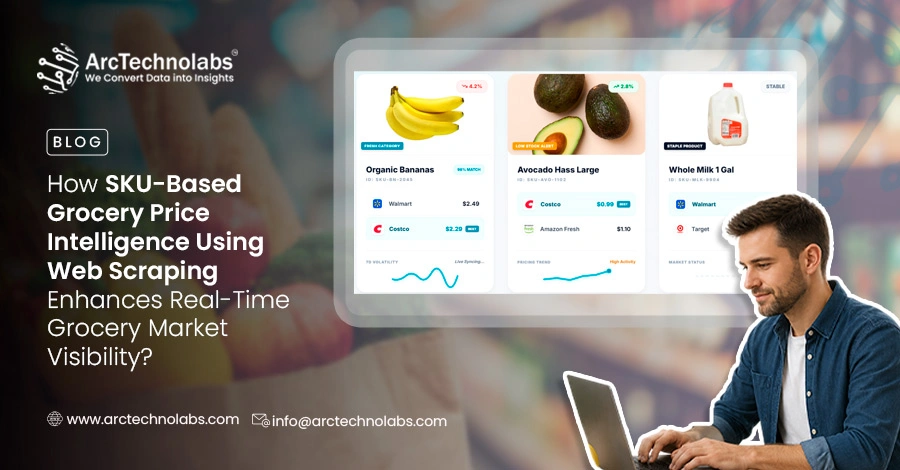
The modern grocery retail ecosystem is rapidly shifting toward data-driven pricing models where accuracy and speed determine competitive advantage. One of the most impactful approaches in this transformation is SKU-Based Grocery Price Intelligence Using Web Scraping, which enables organizations to extract granular product-level insights across multiple retail channels and regions.
With increasing digital adoption, retailers are implementing Web Scraping Grocery and Supermarket Data techniques to collect structured information from online grocery platforms, delivery apps, and supermarket websites. This allows businesses to track SKU-level price movements, promotional strategies, and stock variations without manual intervention. It also helps unify fragmented datasets into a single intelligence layer for decision-making.
In this evolving landscape, grocery analytics is no longer limited to static reporting. Instead, dynamic pricing intelligence systems are built to respond instantly to market changes, competitor pricing, and regional demand variations. This shift enables retailers to improve profitability while maintaining pricing competitiveness in highly volatile grocery markets.
Enhancing SKU Alignment for Unified Grocery Intelligence Systems
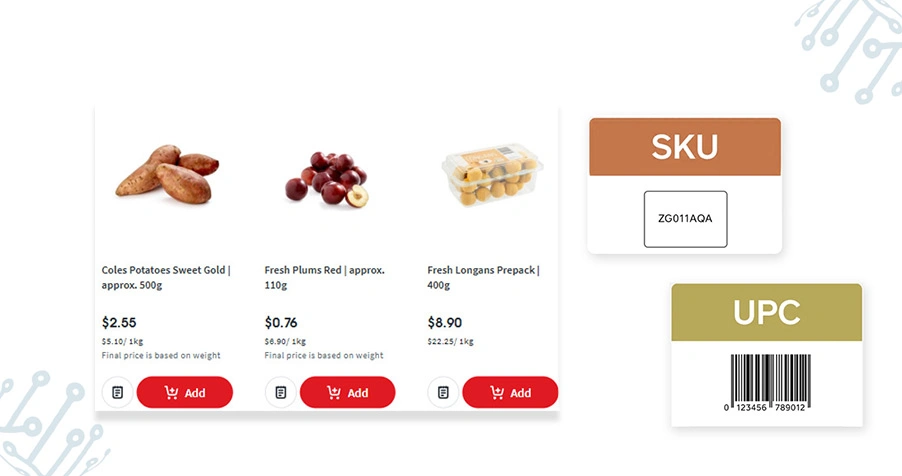
Retail ecosystems rely heavily on structured product identity systems to ensure consistency across multiple grocery platforms. Without proper alignment, pricing data becomes fragmented, leading to inaccurate comparisons and unreliable market insights. A major component of this process includes UPC and SKU Product Mapping for Real Insights, which helps align identical grocery items across different retailers and eliminates duplication errors.
This ensures that each product variation is tracked correctly regardless of store or region. To further strengthen data consistency, organizations depend on Grocery & Supermarket Datasets, which serve as foundational inputs for pricing intelligence models and historical trend analysis. These datasets allow businesses to evaluate long-term pricing behavior and demand shifts.
In addition, structured scraping frameworks play a critical role in consolidating fragmented retail data streams. Systems designed for Supermarket Price Tracking System Using Python automate continuous monitoring of product pricing across multiple grocery platforms, improving real-time decision-making efficiency.
SKU Alignment and Data Structuring Overview:
| Data Component | Purpose | Business Impact |
|---|---|---|
| Product Mapping | Cross-retailer matching | Higher accuracy |
| Dataset Structuring | Historical analysis | Better forecasting |
| Automated Tracking | Live price updates | Faster decisions |
To address this, retailers are increasingly focusing on standardized mapping frameworks that unify product identifiers across channels. These combined methodologies ensure that grocery data remains consistent, reliable, and ready for advanced analytics applications across retail environments.
Improving Large-Scale Retail Monitoring Through Automated Systems
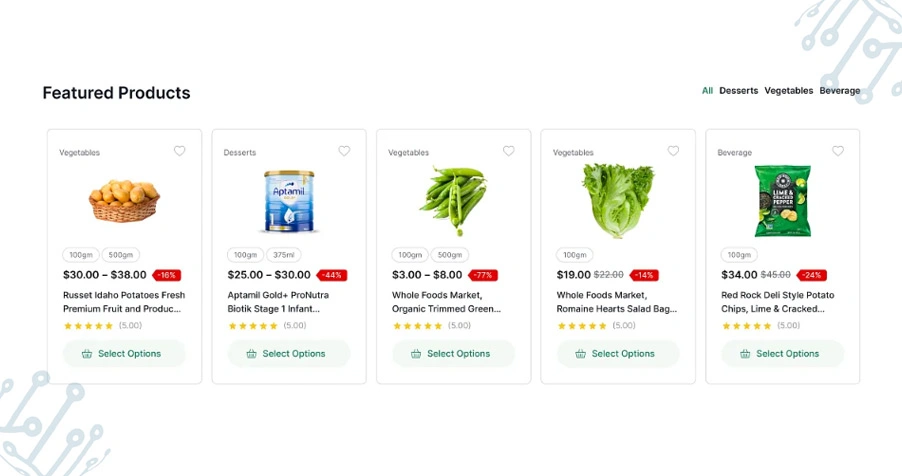
Modern retail intelligence depends on the ability to continuously monitor vast amounts of grocery pricing data across multiple digital platforms. Manual tracking is no longer sufficient due to the speed and complexity of market fluctuations, making automation a core requirement for scalable analytics systems. A key driver in this transformation is Enterprise Web Crawling, which enables large-scale extraction of structured and unstructured retail data from multiple sources simultaneously.
This ensures continuous visibility into competitor pricing, promotions, and inventory changes. To enhance analytical accuracy, businesses often implement Product Catalog Matching System Using Data Scraping for Analysis, which aligns product listings across various retailers. This helps eliminate inconsistencies in product naming, packaging variations, and SKU duplication issues.
Additionally, structured pricing systems built using Building Grocery Pricing Datasets With SKU Normalization ensure that collected data is standardized before being used in forecasting or reporting models. This improves both accuracy and scalability of retail intelligence systems.
Retail Monitoring System Performance Overview:
| System Layer | Functionality | Outcome |
|---|---|---|
| Crawling Engine | Data extraction | High coverage |
| Catalog Matching | Product alignment | Reduced duplication |
| Data Normalization | Standardization | Improved reliability |
These integrated systems allow retailers to respond quickly to pricing shifts and maintain competitive positioning in highly dynamic grocery markets.
Expanding Mobile-Driven Grocery Data Intelligence Ecosystems
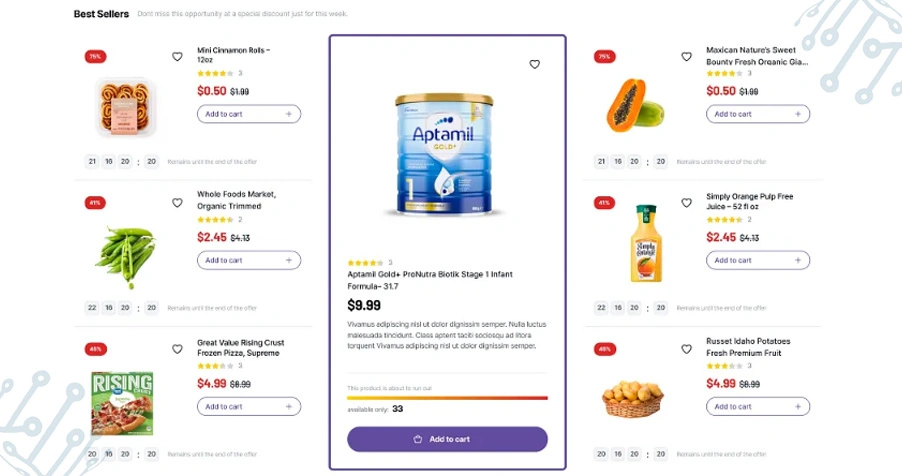
The growth of mobile-based grocery platforms has significantly expanded the scope of retail data intelligence. Consumers now interact with grocery applications for pricing, discounts, and delivery services, creating new opportunities for real-time data extraction and analysis. A critical advancement in this space is Mobile App Data Scraping Services, which capture live pricing and inventory information directly from grocery applications.
This enables businesses to monitor consumer-facing pricing strategies and promotional activities in real time. To further enhance analytical depth, retailers use advanced scraping frameworks that integrate mobile and web data sources into unified intelligence systems. This ensures consistent visibility across all digital touchpoints.
In parallel, structured identification systems continue to play an important role in maintaining data accuracy across platforms. These systems help align mobile app listings with web-based grocery catalogs, ensuring consistency in product representation and pricing.
Mobile Grocery Data Intelligence Overview:
| Data Source | Purpose | Benefit |
|---|---|---|
| Mobile Apps | Real-time pricing | Instant updates |
| Web Platforms | Market comparison | Broader insights |
| Unified Systems | Data integration | Consistency |
These evolving ecosystems allow retailers to build comprehensive grocery intelligence frameworks that support pricing optimization, demand forecasting, and competitive benchmarking in highly dynamic retail environments.
How ArcTechnolabs Can Help You?
Modern grocery markets demand precise, real-time data systems that can process high-volume retail information across multiple platforms. SKU-Based Grocery Price Intelligence Using Web Scraping becomes far more effective when supported by engineered pipelines that ensure accuracy, scalability, and structured delivery of insights.
Our approach includes:
- Designing scalable data pipelines for multi-source retail extraction
- Building automation frameworks for continuous pricing updates
- Structuring clean and normalized datasets for analytics readiness
- Developing real-time monitoring systems for competitor tracking
- Integrating cross-platform product intelligence workflows
- Supporting enterprise-grade deployment for large retail networks
In addition, Building Grocery Pricing Datasets With SKU Normalization strengthens data consistency across all retail analytics workflows, ensuring businesses can rely on unified and structured intelligence for strategic decisions.
Conclusion
The evolution of grocery analytics is strongly shaped by SKU-Based Grocery Price Intelligence Using Web Scraping, enabling retailers to achieve deeper visibility into product-level pricing behavior and market dynamics. This structured intelligence approach allows businesses to respond faster to competitive changes and improve pricing precision.
As businesses scale their digital operations, Supermarket Price Tracking System Using Python becomes a critical enabler for real-time monitoring, ensuring continuous visibility into pricing changes and market behavior. Start building intelligent grocery pricing systems today with ArcTechnolabs and SKU-driven analytics solutions designed for modern retail ecosystems.