Introduction
In today’s fast-moving grocery ecosystem, pricing is no longer a city-level strategy. It has become a hyper-local game where even nearby neighborhoods can experience noticeable differences in product rates. Retailers, FMCG brands, and consumer analytics platforms are now paying closer attention to how grocery prices fluctuate across different areas, especially in major urban clusters where demand patterns vary significantly.
To build actionable market strategies, businesses are now using automation-driven techniques such as Web Scraping Ecommerce Data to gather pricing signals at scale. When combined with location-based insights, this helps uncover real patterns hidden beneath city-wide averages.
Ultimately, Supermarket Price Comparison at Postcode Level enables businesses to detect hidden pricing gaps, optimize promotions, and improve retail decision-making using verified market signals rather than assumptions. In this blog, we will explore how postcode-level grocery price comparison reveals an average 18% price gap across cities and why postcode-based pricing analytics has become a must-have strategy for grocery retailers and consumer product brands.
Understanding Price Differences Across Neighborhood Grocery Stores
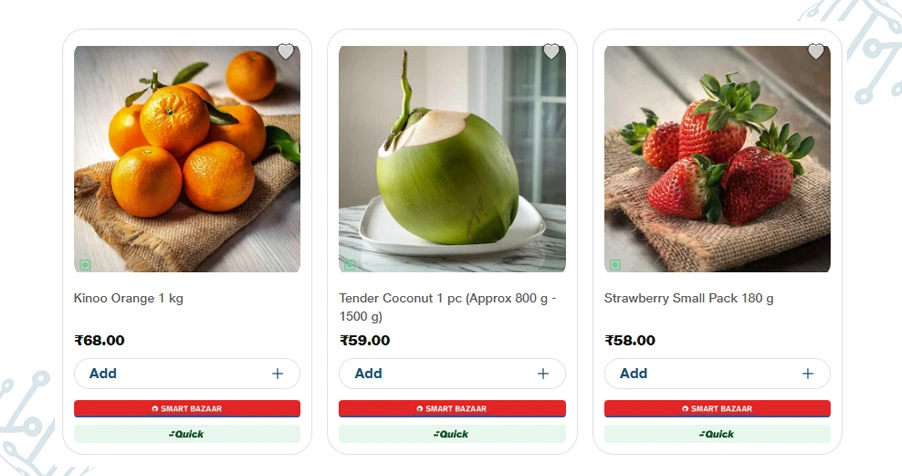
Retail grocery pricing can vary significantly depending on location, even within the same city. Many customers assume that the price they see in one store reflects the city-wide average, but localized pricing strategies often create hidden gaps. Stores adjust their prices based on competition density, customer demographics, and operational costs in different areas.
For businesses, having access to Powerful Grocery & Supermarket Datasets allows for a more precise evaluation of these local differences. This data provides insights into pricing clusters, enabling retailers to identify high-cost zones, verify compliance with price agreements, and spot opportunities for targeted promotions.
A 2024 retail study revealed that grocery prices across different neighborhoods can vary by 10% to 22%, depending on local competition and purchasing behavior. Monitoring these gaps enables businesses to refine pricing strategies and align store-level pricing with broader objectives.
Sample Neighborhood Price Comparison:
| Product Category | Neighborhood 1 Avg Price | Neighborhood 2 Avg Price | Price Difference % |
|---|---|---|---|
| Dairy Products | $4.10 | $4.85 | 18.3% |
| Fresh Vegetables | $3.40 | $3.95 | 16.2% |
| Snacks & Chips | $2.25 | $2.70 | 20.0% |
| Household Items | $5.90 | $6.85 | 16.1% |
With a neighborhood-level perspective, retailers can prioritize regions with high pricing disparities and adjust strategies for competitive advantage. This approach transforms data into actionable insights and allows smarter decisions in promotions and inventory management.
Leveraging Real-Time Monitoring To Improve Grocery Pricing Decisions
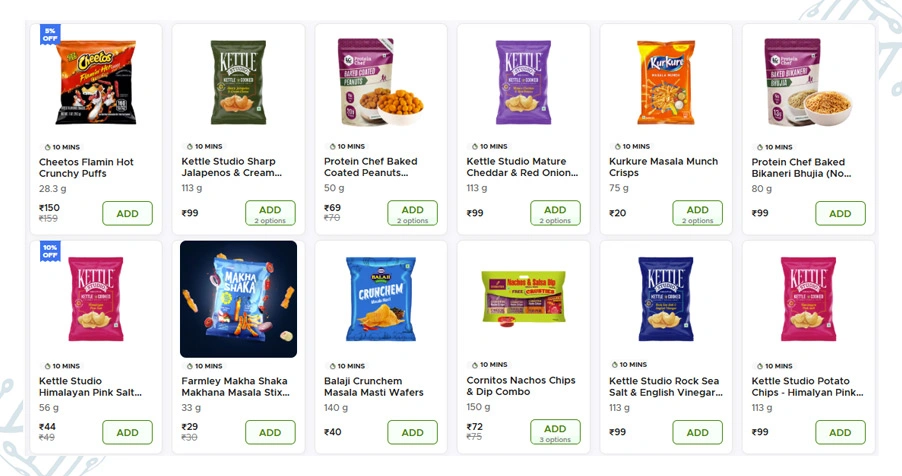
Frequent price fluctuations are common in retail due to supplier costs, seasonal demand, and competitor promotions. Waiting for weekly or monthly reports often results in delayed responses and lost revenue. For grocery retailers, Supermarket Price Monitoring provides daily or hourly updates that help identify pricing gaps and spot competitor activity.
By tracking changes in real-time, businesses can understand which stores are increasing margins, which locations require discounting, and which zones are most volatile. This enables smarter promotion planning, reduces ineffective campaigns, and helps maintain competitive pricing consistency across regions.
Monitoring pricing trends also uncovers “hot zones” where competition is strongest. These zones often see aggressive discounts or higher pricing for premium products. Real-time monitoring ensures that pricing teams are not reacting late to such trends but can make proactive decisions.
Price Gap Analysis Across Different Cities:
| City Name | Lowest Neighborhood Basket Cost | Highest Neighborhood Basket Cost | Price Difference % |
|---|---|---|---|
| City 1 | $82 | $97 | 18.3% |
| City 2 | $74 | $88 | 18.9% |
| City 3 | $79 | $93 | 17.7% |
| City 4 | $90 | $106 | 17.8% |
Integrating Postcode-Level Price Tracking ensures that retailers can forecast trends, plan pricing adjustments, and maintain consistency in competitive markets. This strategy transforms fragmented pricing data into meaningful, actionable intelligence for grocery businesses.
Using Automation To Capture Accurate Pricing Across Supermarkets
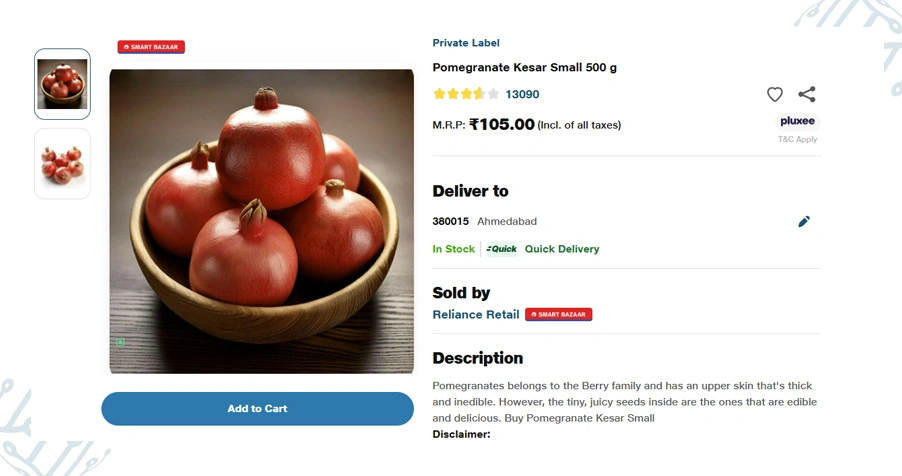
Collecting accurate pricing data manually is slow and error-prone. Stores often display different prices online than on shelves, and promotions vary across platforms. Automated Grocery Price Scraping provides a scalable solution to collect reliable, structured data from multiple supermarket websites.
Automation allows retailers to capture daily price changes, ensuring reports reflect the real market. This approach identifies hidden promotions or pricing variations between regions, which are often invisible in manual audits. By implementing automation, businesses can reduce inaccuracies and respond faster to competitor moves or supply chain changes.
Retailers adopting automated systems have seen up to 30% higher pricing accuracy compared to traditional methods. This not only improves promotion planning but also helps maintain consistent pricing across stores and ensures better customer satisfaction.
Example of Pricing Volatility Captured with Automation:
| Product Type | Weekly Price Changes Observed | Maximum Price Gap Across Neighborhoods |
|---|---|---|
| Packaged Snacks | 5–8 updates per week | 21% |
| Fresh Dairy | 4–6 updates per week | 19% |
| Frozen Foods | 3–5 updates per week | 16% |
| Household Essentials | 2–4 updates per week | 14% |
With Real-Time Grocery Price Tracking Across Cities, retailers can make rapid pricing adjustments and reduce the risk of losing customers to competitors. This level of automation ensures consistency, accuracy, and actionable insights for grocery pricing decisions.
How ArcTechnolabs Can Help You?
Retail businesses often struggle with inconsistent pricing visibility across stores, apps, and supermarket websites. Instead of relying on manual checks, teams can build structured insights using Supermarket Price Comparison at Postcode Level for faster market response and smarter promotional planning.
What we offers:
- Customized postcode-based grocery pricing dashboards.
- Automated competitor data extraction and validation systems.
- Daily and hourly price monitoring across supermarket platforms.
- Promotion and discount intelligence across regional markets.
- Multi-city grocery basket analysis and category-level insights.
- API-ready datasets for pricing analytics and BI integration.
You can build a reliable strategy using Postcode-Level Price Tracking and ensure your grocery pricing intelligence remains consistent, measurable, and scalable across every market you operate in.
Conclusion
Pricing gaps in grocery markets are not random. They are driven by competition intensity, local demand behavior, and retail pricing strategies that vary from one postcode to another. This is why Supermarket Price Comparison at Postcode Level reveals hidden cost differences that city-level averages completely miss.
With structured data and Supermarket Price Monitoring, businesses can reduce blind spots and respond to market changes faster. Connect with ArcTechnolabs today to build a smarter postcode-level grocery pricing strategy and strengthen your competitive retail intelligence.