Introduction
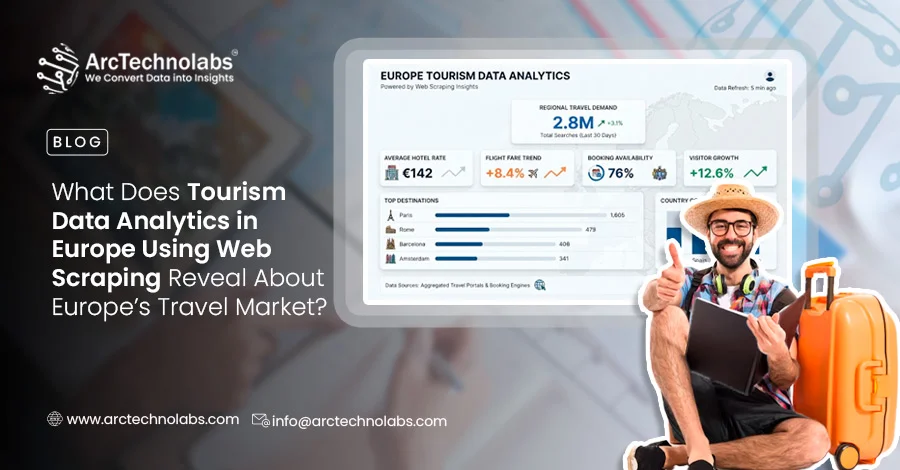
Europe's tourism market is increasingly influenced by changing visitor preferences, seasonal demand, accommodation choices, destination popularity, and price movements. Tourism Data Analytics in Europe Using Web Scraping brings these signals together from travel websites, booking platforms, destination portals, and accommodation listings, creating structured information for market analysis across countries and travel periods.
Tourism businesses can use Travel Data Scraping Services to monitor destination demand, hotel rates, availability, reviews, and travel patterns across European countries. This approach allows analysts to compare markets consistently rather than depending only on periodic reports. It can also reveal shifts in visitor interest, accommodation preferences, seasonal demand, and competitive positioning.
European tourism continues to represent a significant economic and travel activity market. Eurostat reported approximately 3.09 billion nights spent at tourist accommodation establishments across the European Union during 2025, representing continued growth compared with the previous year. Such large-scale activity creates substantial opportunities for structured tourism market research.
European Destination Demand Shapes Emerging Travel Market Patterns
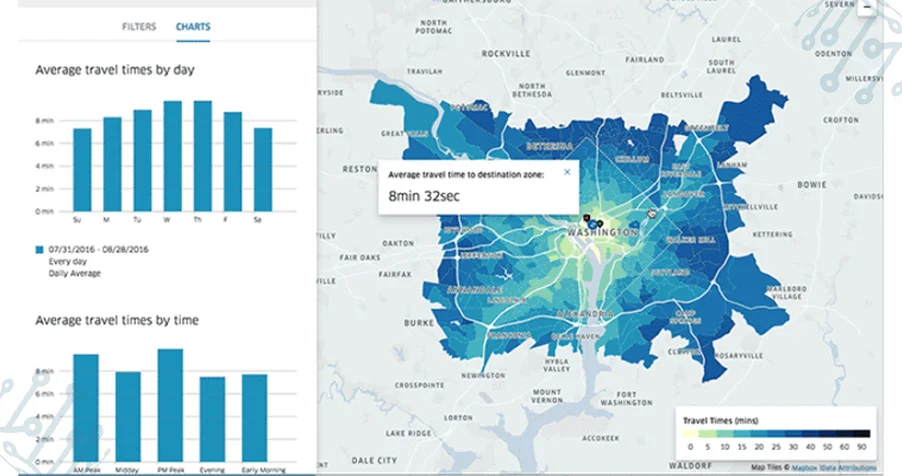
Destination demand provides an important foundation for understanding Europe's changing travel landscape. Tourism companies can compare visitor interest, accommodation activity, destination popularity, and seasonal movement across countries to identify markets experiencing stronger or weaker demand. These comparisons provide useful context for planning marketing campaigns, capacity, and expansion strategies.
Using a Web Data Scraper for European Travel Trends in the middle of the research workflow can help collect recurring information from multiple travel sources. Analysts can organize destination names, accommodation categories, visitor signals, prices, and availability into consistent fields. This makes cross-market comparisons easier and supports more reliable historical benchmarking.
A structured Travel Dataset can further bring destination information together for evaluating performance over different periods. Businesses can examine changes in demand, identify frequently visited locations, compare accommodation activity, and understand seasonal fluctuations. These observations can help tourism operators determine which destinations deserve greater promotional attention or operational resources.
Key analytical areas include:
- Destination popularity comparisons
- Seasonal demand monitoring
- Accommodation activity analysis
- Visitor trend benchmarking
- Country-level market comparisons
Meanwhile, Scrape European Tourism Websites for Market Data can provide additional signals from destination pages, travel portals, accommodation websites, and tourism resources. Combining these sources can reveal differences between destinations and help analysts identify emerging locations, popular travel periods, changing accommodation preferences, and areas with increasing competitive activity.
| Data Area | Analytical Purpose |
|---|---|
| Destination activity | Market demand comparison |
| Accommodation volume | Supply assessment |
| Travel periods | Seasonal evaluation |
| Visitor activity | Demand measurement |
| Country coverage | Regional benchmarking |
European Pricing Signals Clarify Competitive Travel Market Movements
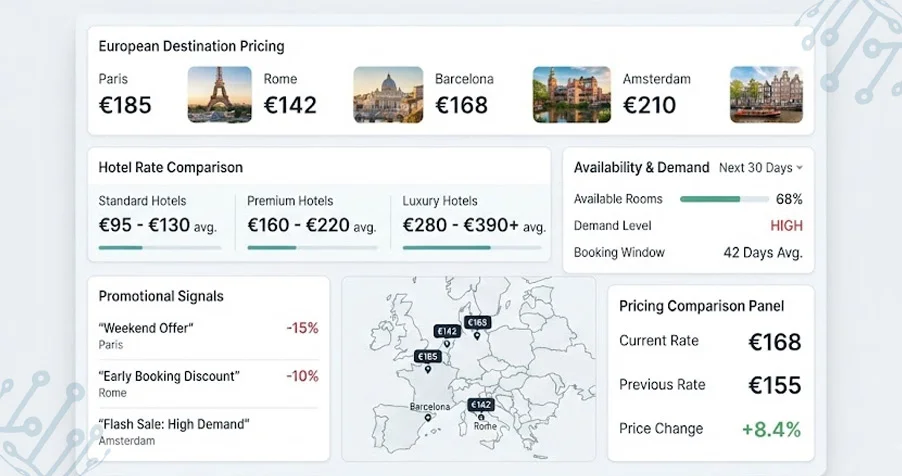
Pricing behavior offers another valuable perspective on Europe's tourism market. Hotel rates, accommodation availability, package prices, promotions, and booking conditions can change considerably according to destination, travel period, demand intensity, and competitive activity. Monitoring these variables allows tourism companies to understand how pricing environments develop across different European markets.
Businesses using Web Scraping Services can systematically collect pricing and availability information from relevant travel sources. Instead of reviewing individual listings manually, analysts can organize recurring observations into structured records. This makes it easier to compare rates between destinations, identify promotional activity, and examine periods when prices rise or decline significantly.
Pricing information becomes particularly useful when combined with accommodation and destination data. Analysts can identify locations where demand remains strong despite higher prices, compare promotional periods, and evaluate differences between accommodation categories. Such analysis can contribute to pricing strategies, campaign planning, revenue management, and competitive benchmarking across multiple European markets.
Businesses can monitor:
- Hotel and accommodation prices
- Promotional changes
- Availability fluctuations
- Destination-level pricing
- Seasonal rate movements
The broader online accommodation environment also provides important market signals. Eurostat reported that guests spent around 951.6 million nights in short-stay accommodation booked through major online platforms during 2025. This represented an 11.4% increase from 2024, demonstrating the growing relevance of online travel activity for market analysis.
| Pricing Metric | Business Application |
|---|---|
| Average rate | Price benchmarking |
| Availability | Supply monitoring |
| Discount activity | Promotion analysis |
| Seasonal rate | Demand assessment |
| Destination price | Market comparison |
Visitor Behavior Reveals New European Tourism Market Opportunities
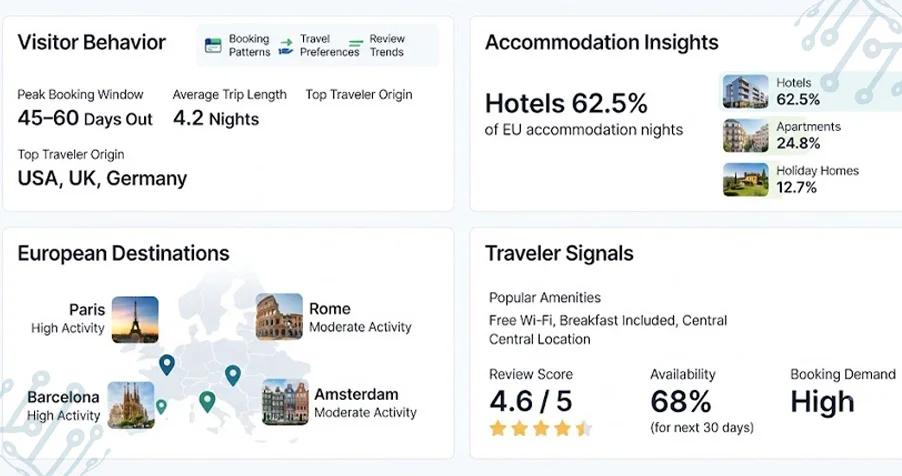
Visitor behavior provides valuable insight into how travelers interact with destinations and accommodation choices. Reviews, property features, booking patterns, destination activity, and travel preferences can reveal changing expectations. When these signals are examined together, businesses can identify opportunities to improve services, refine marketing strategies, and understand shifts in consumer demand.
Using Travel Data API for European Tourism Analytics within a structured workflow can help organizations work with recurring tourism information across different systems. Data relating to destinations, properties, prices, reviews, and availability can be organized for dashboards, forecasting models, and analytical applications. This supports consistent monitoring as market conditions change.
Hotels remained the largest accommodation category in the European Union during 2025, accounting for 62.5% of tourism accommodation nights. Web Scraping API Services can organize these recurring signals into usable datasets. These figures demonstrate why accommodation behavior deserves close attention when evaluating travel demand and market opportunities across Europe.
Important behavioral indicators include:
- Accommodation preferences
- Review sentiment patterns
- Property feature comparisons
- Destination engagement
- Seasonal booking behavior
Businesses can also Extract Tourism Data From European Travel Websites to evaluate accommodation characteristics, visitor feedback, destination information, and travel-related offerings. Review patterns may indicate frequently mentioned amenities, service concerns, location preferences, or positive experiences. These signals can help tourism businesses understand what travelers value when comparing destinations and properties.
| Behavioral Indicator | Potential Insight |
|---|---|
| Reviews | Visitor satisfaction |
| Amenities | Traveler preferences |
| Property type | Accommodation demand |
| Destination activity | Location interest |
| Booking periods | Seasonal behavior |
How ArcTechnolabs Can Help You?
We can support tourism businesses with structured data collection, normalization, monitoring, and analytical workflows across European travel sources. Tourism Data Analytics in Europe Using Web Scraping can help organizations bring destination, pricing, availability, review, and accommodation information into consistent datasets.
Its approach can support:
- Multi-source tourism data collection
- Destination and property monitoring
- Price and availability tracking
- Historical data organization
- Structured dataset preparation
- Recurring extraction workflows
Tourism companies can use these capabilities to reduce repetitive research and organize information for ongoing market analysis. Structured data can be prepared for dashboards, reporting systems, forecasting models, and internal research processes. This can make comparisons between destinations, accommodation providers, and travel periods more consistent while supporting recurring monitoring requirements.
With Extract Tourism Data From European Travel Websites, organizations can connect online tourism information with broader analytical workflows. We can help structure extracted fields into practical formats that support market comparison, reporting, pricing analysis, and destination research.
Conclusion
Europe's travel market continues to evolve through changing destination demand, accommodation preferences, pricing movements, online bookings, and visitor behavior. Tourism Data Analytics in Europe Using Web Scraping can transform scattered online information into structured evidence for tourism planning, market benchmarking, competitive analysis, and strategic decision-making. Consistent data collection can provide a clearer view of changing travel conditions.
A dependable data workflow can further support tourism companies when evaluating competitive movements and emerging destination opportunities. Travel Data API for European Tourism Analytics can provide structured information for dashboards, forecasting, reporting, and recurring market research. Connect with ArcTechnolabs today to build a scalable European tourism data strategy and strengthen your travel market analysis.