Introduction
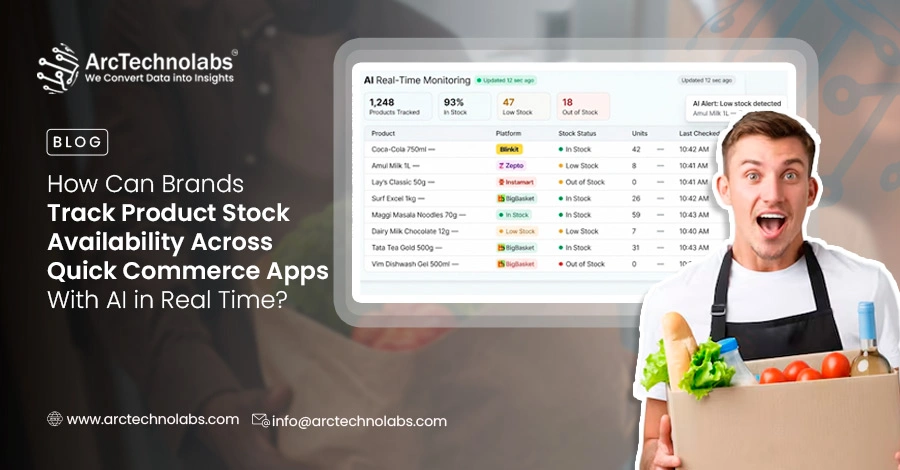
Quick commerce has made product availability a key part of purchase decisions. Customers expect groceries, beverages, personal care items, and household essentials to be readily available. Brands need continuous visibility across multiple apps to identify stockouts, track availability changes, and Track Product Stock Availability Across Quick Commerce Apps before gaps impact sales.
AI makes this process more responsive by processing large volumes of marketplace information at frequent intervals. With AI-Powered Inventory Data Scraping for Quick Commerce Platforms, businesses can collect product availability signals, compare app-level inventory conditions, and identify unusual stock movements across locations without depending entirely on manual monitoring.
Businesses using Quick Commerce Data Scraping Services can consolidate availability information from several platforms into structured datasets. AI models can then classify stock statuses, detect repeated stockouts, identify location-specific patterns, and support faster inventory decisions across rapidly changing quick commerce environments.
Building Continuous Inventory Visibility Across Multiple Applications
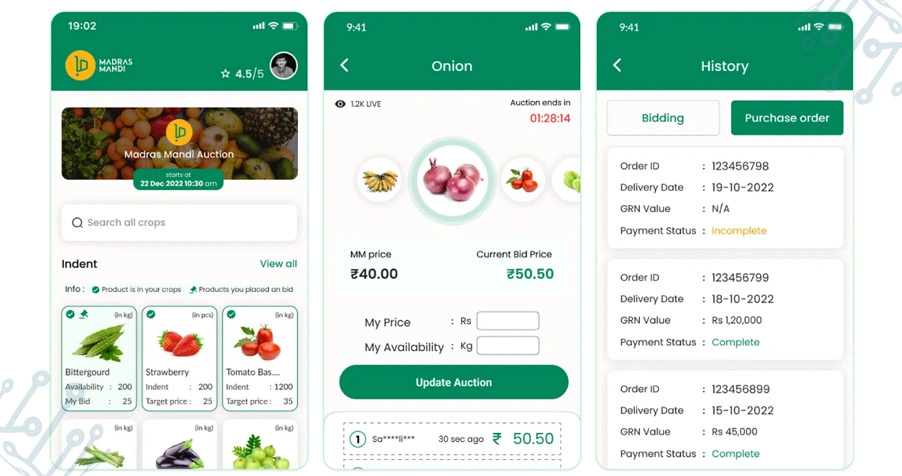
Quick commerce inventory changes throughout the day as customer demand, replenishment schedules, and fulfillment capacity fluctuate. Brands need an automated method to observe these changes without repeatedly checking individual applications. By using AI-Powered Inventory Data Scraping for Quick Commerce Platforms, businesses can collect product status, location, timestamp, and listing information at predefined intervals.
Artificial intelligence can then compare current observations with historical records to identify meaningful changes. When a product suddenly becomes unavailable, automated monitoring can flag the event for further review. This reduces repetitive manual checking and helps teams focus on products or locations requiring immediate attention. Data collected through Web Scraping API Services can also be organized into consistent structures for analysis.
Regular monitoring provides several operational advantages:
- Continuous observation of selected product catalogs
- Faster identification of sudden availability changes
- Location-wise comparison of inventory conditions
- Historical tracking of stock status
- Automated prioritization of important products
| Monitoring Area | Example Tracking Level |
|---|---|
| Product SKUs | 1,000+ |
| Locations | 100+ |
| Monitoring Frequency | 15–30 minutes |
| Status Types | 4+ |
| Applications | 5+ |
This approach enables brands to create a dependable inventory information system. Instead of relying on occasional checks, teams can use continuously refreshed information to understand availability conditions and support quicker inventory-related decisions.
Comparing Platform Availability To Identify Distribution Gaps
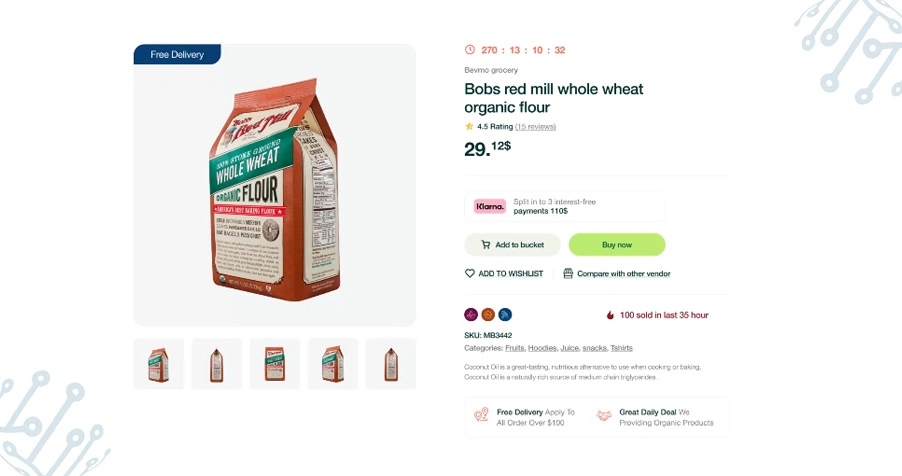
Product availability can vary considerably between applications, even when platforms operate within the same city or target similar customers. Quick Commerce Product Availability Data Scraping enables brands to compare whether specific products are listed, available, or unavailable across different channels. Such comparisons reveal differences that may remain unnoticed through isolated platform monitoring.
AI can organize collected observations according to product, location, application, and time. Businesses can then identify products that frequently disappear from particular areas or channels. Combining these observations with Quick Commerce & FMCG Datasets can provide additional context for category-level evaluation, assortment planning, and inventory performance analysis.
Brands can evaluate several important areas through automated comparison:
- Product availability across competing applications
- Geographic differences in stock conditions
- Availability changes during high-demand periods
- Category-level inventory gaps
- Frequently unavailable high-priority products
| Comparison Area | Potential Observation |
|---|---|
| Platforms | Different availability levels |
| Locations | Regional inventory variation |
| Categories | Uneven product coverage |
| Time Periods | Peak-hour fluctuations |
| SKUs | Recurring availability differences |
Such analysis gives businesses a broader view of distribution performance. Instead of evaluating inventory from a single marketplace, teams can compare multiple digital channels and identify where products require stronger replenishment or distribution support.
Detecting Recurring Stockout Signals Through Intelligent Analysis
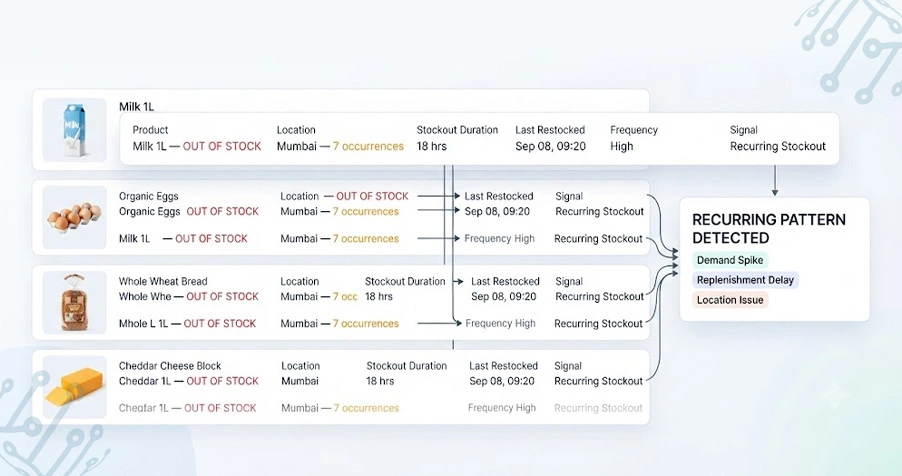
Repeated stockouts can indicate more than temporary inventory shortages. They may reflect demand fluctuations, replenishment delays, distribution limitations, or location-specific supply problems. AI-Based Out-Of-Stock Product Data Scraping can help collect historical stockout observations and organize them according to products, locations, duration, and frequency.
AI algorithms can evaluate these historical patterns to distinguish isolated incidents from recurring availability problems. When a particular product repeatedly becomes unavailable during similar periods, businesses can investigate the underlying cause. Large-scale monitoring supported by Enterprise Web Crawling can also help process information across extensive catalogs and multiple geographic markets.
Businesses can monitor several stockout indicators, including:
- Frequency of product unavailability
- Duration of individual stockout events
- Repeated shortages within specific locations
- Time-based availability fluctuations
- Product-level historical availability
| AI Signal | Business Application |
|---|---|
| Stockout Frequency | Inventory prioritization |
| Stockout Duration | Replenishment review |
| Location Recurrence | Regional assessment |
| Time Patterns | Demand planning |
| Product History | Assortment evaluation |
Continuous analysis can make inventory monitoring more responsive and informative. Instead of treating every unavailable listing as an isolated event, brands can examine historical behavior and identify recurring patterns that may require operational attention, helping teams improve inventory planning across fast-moving digital channels.
How ArcTechnolabs Can Help You?
Managing inventory visibility across several quick commerce applications requires automated collection, structured processing, and dependable monitoring workflows. We can help businesses Track Product Stock Availability Across Quick Commerce Apps by developing customized data collection systems based on product catalogs, geographic locations, platforms, and preferred monitoring frequencies.
The solution can support brands through capabilities such as:
- Automated product availability collection
- Multi-platform inventory monitoring
- Location-level stock status tracking
- Historical availability record management
- Automated data organization and normalization
- Business-ready reporting and analytics support
The collected information can be processed into structured datasets and prepared for reporting, dashboards, analytics platforms, or internal systems. AI-assisted workflows can compare current and historical observations to identify unusual changes, recurring stockouts, and location-specific availability differences.
With AI-Powered Inventory Monitoring for Quick Commerce Data, businesses can establish a consistent process for observing rapidly changing inventory conditions. We can customize monitoring frequency, product coverage, geographic scope, and output requirements according to the operational needs of each business.
Conclusion
Quick commerce requires brands to respond quickly to changing inventory conditions because product availability can directly influence customer decisions and sales opportunities. By combining automated collection with AI-based analysis, businesses can Track Product Stock Availability Across Quick Commerce Apps while identifying availability gaps, comparing channels, and supporting more informed replenishment decisions.
A structured monitoring strategy supported by Quick Commerce Stock Data Scraping for Retail Analytics can turn scattered marketplace observations into useful information for inventory planning, assortment evaluation, and channel performance analysis. Connect with ArcTechnolabs today to build a customized AI-powered product availability monitoring solution for your quick commerce business.