Introduction
Travel demand changes continuously with seasons, prices, events, holidays, airline capacity, hotel availability, and traveler preferences. Travel Demand Prediction Using Hotel and Flight Data Scraping helps OTAs organize these signals into structured datasets for identifying demand movements, booking patterns, and destination-level opportunities.
Hotel and flight information provides complementary visibility into how travelers plan and purchase trips. Room availability, nightly rates, flight schedules, fares, route capacity, and booking windows can reveal changes before they become obvious in historical reports. These insights make Travel Data Scraping Services useful for recurring market analysis and forecasting workflows.
Recent aviation data highlights why timely information matters. IATA reported that global passenger demand increased 5.3% in 2025, while international demand grew 7.1%. The combination of changing demand and capacity makes continuously refreshed travel data valuable for OTA forecasting models.
Combining Hotel And Flight Signals For OTA Forecasting
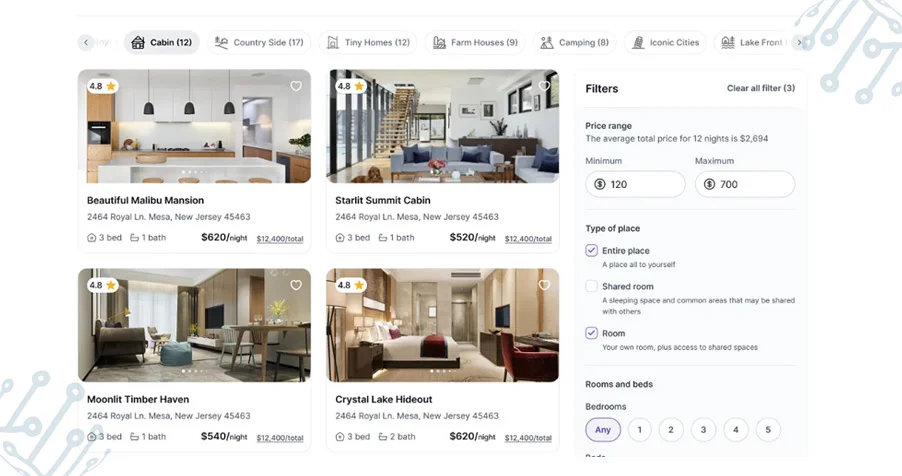
OTA demand forecasting becomes more reliable when accommodation and aviation indicators are evaluated together. Hotel prices, room availability, property categories, stay dates, flight schedules, fares, routes, and seat capacity can reveal different aspects of traveler activity. Hotel Booking Data Scraping for Travel Demand Forecasting can organize accommodation-related information into structured records, helping analysts compare booking conditions across destinations, seasons, and travel periods.
Flight information adds another layer by showing how connectivity, fares, and route capacity change alongside hotel conditions. When these datasets are compared, analysts can identify situations where increasing flight activity coincides with limited accommodation inventory or where weaker connectivity corresponds with softer hotel demand. Such comparisons provide broader context for understanding destination-level demand movements and potential changes in booking behavior.
| Forecast Signal | Useful Data | OTA Application |
|---|---|---|
| Hotel demand | Rates, rooms, availability | Occupancy analysis |
| Flight demand | Fares, routes, schedules | Route forecasting |
| Capacity | Seats, rooms | Supply estimation |
| Booking window | Stay and travel dates | Timing analysis |
| Destination activity | Inventory changes | Market comparison |
Recurring data collection can further improve forecasting consistency. Enterprise Web Crawling can support scheduled collection across multiple travel sources, allowing teams to refresh hotel and flight indicators at defined intervals. This creates a continuous information stream for comparing destinations and identifying changing market conditions without depending exclusively on older historical reports.
Key applications include:
- Comparing hotel availability with flight capacity.
- Monitoring fare and room-rate movements.
- Measuring seasonal destination activity.
- Tracking changes across travel periods.
Together, these indicators create a broader foundation for analyzing OTA demand patterns and understanding how accommodation supply, airline capacity, pricing movements, and booking timing interact within changing travel markets.
Structuring OTA Information For Destination Demand Analysis
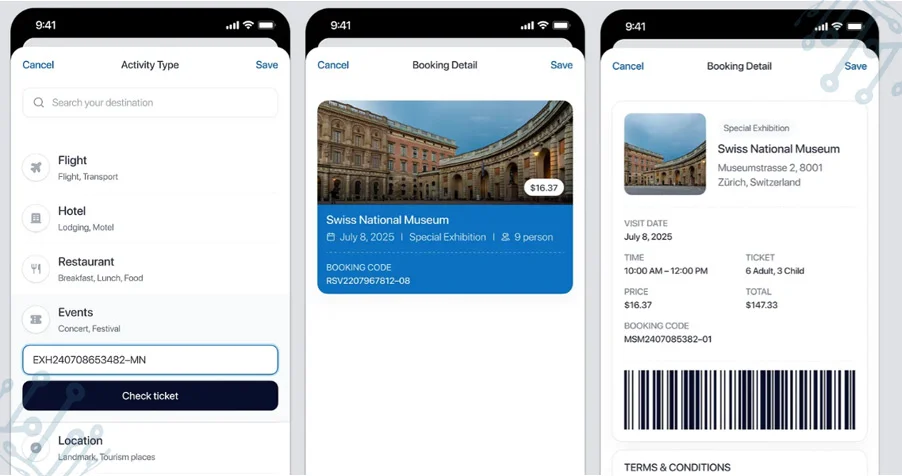
OTA forecasting requires consistent information because traveler demand cannot always be represented through one measurement. Hotel availability, room prices, cancellation conditions, property categories, travel dates, and destination information can reveal accommodation-side movements. OTA Data Extraction for Hotel Demand Prediction can organize these variables into structured records that support comparisons across destinations, properties, and different booking periods.
Flight-side information can complement accommodation observations by adding route, fare, schedule, and capacity indicators. When both sides are standardized, analysts can examine whether increasing travel connectivity corresponds with stronger accommodation activity. This approach also helps separate temporary price fluctuations from broader market changes and recurring seasonal movements.
| Indicator | Example Measurement | Forecast Use |
|---|---|---|
| Room availability | Available units | Supply pressure |
| Hotel rate | Nightly price | Price analysis |
| Flight fare | Route-level fare | Affordability |
| Passenger volume | Market traffic | Demand direction |
| Booking lead | Days before travel | Timing patterns |
Structured Travel Datasets can bring these observations together around destinations, properties, routes, dates, prices, and availability. For instance, market-level passenger activity can be reviewed alongside accommodation inventory to identify relationships between transportation demand and lodging conditions. This provides additional context for destination forecasting and comparative market research.
Useful analytical applications include:
- Comparing destination-level accommodation trends.
- Measuring changes in flight connectivity.
- Tracking booking windows across periods.
- Evaluating supply and demand relationships.
These structured observations can support daily, weekly, monthly, and seasonal analysis. By combining historical records with current market information, OTA teams can evaluate recurring patterns, changing inventory conditions, pricing movements, and destination activity more systematically while building stronger foundations for demand planning and forecasting.
Connecting Travel Pricing With Consumer Behavior Patterns
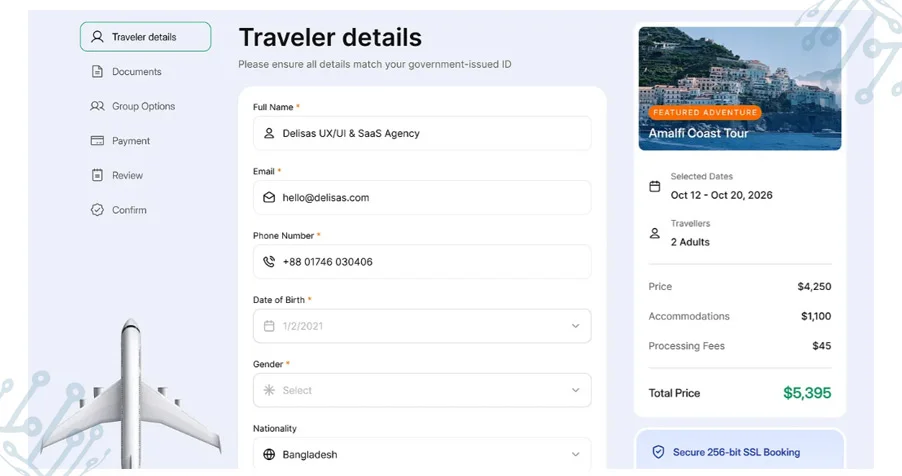
Pricing and availability provide important context for understanding travel consumer behavior. Flight fares can fluctuate according to routes, travel dates, capacity, seasonality, and market conditions, while hotel prices can change with occupancy expectations and inventory levels. Flight Pricing Data Scraping for Travel Consumer Behavior can organize fare movements and route-level pricing information for comparative analysis across destinations and travel periods.
Accommodation information can then be reviewed alongside these pricing signals to identify relationships between transportation costs and hotel conditions. A destination experiencing rising flight prices and declining room availability may show different demand characteristics from one where both indicators remain stable. Examining these differences helps analysts understand how supply, pricing, and travel timing interact.
| Data Element | Pattern Observed | Forecasting Value |
|---|---|---|
| Flight prices | Fare changes | Demand pressure |
| Hotel inventory | Availability shifts | Supply pressure |
| Route frequency | Schedule changes | Connectivity |
| Room rates | Rate fluctuations | Revenue signals |
| Travel dates | Seasonal concentration | Demand timing |
Consistent collection allows analysts to compare current observations with historical records, helping distinguish temporary fluctuations from recurring patterns across destinations, routes, and accommodation markets. Web Scraping Services can consolidate these indicators into structured feeds for dashboards, analytical models, and recurring market reports.
Important applications can include:
- Monitoring travel-price movements.
- Comparing hotel and flight availability.
- Identifying seasonal demand patterns.
- Evaluating destination-level consumer activity.
This combined approach gives OTA teams a wider perspective on changing travel conditions. Instead of reviewing prices or availability separately, analysts can examine multiple indicators together to understand demand timing, market pressure, supply changes, and potential shifts in traveler purchasing behavior.
How ArcTechnolabs Can Help You?
We can structure hotel and flight information into organized datasets that support destination analysis, pricing research, availability monitoring, and demand-model development. Travel Demand Prediction Using Hotel and Flight Data Scraping can become more practical when data collection is designed around the specific requirements of forecasting teams.
Key capabilities can include:
- Collecting hotel pricing and availability information across selected destinations.
- Extracting flight schedules, fares, routes, and travel-date information.
- Structuring recurring datasets for historical and current-period comparisons.
- Standardizing information collected from multiple travel platforms and sources.
- Supporting destination-level analysis through configurable data fields.
- Delivering structured outputs suitable for dashboards, analytics, and forecasting workflows.
The collection process can be configured around selected destinations, properties, routes, date ranges, and refresh frequencies. This makes the resulting data easier to integrate with analytical environments and forecasting pipelines.
For broader research initiatives, Travel Data Extraction for Market Research can provide structured information for comparing destinations, traveler-facing prices, inventory conditions, and market movements across different travel periods.
Conclusion
OTAs need timely signals to understand changing destination demand, supply conditions, pricing movements, and traveler behavior. Travel Demand Prediction Using Hotel and Flight Data Scraping combines hotel and flight indicators into a more structured foundation for analyzing demand patterns and supporting forecasting workflows.
Consistent data collection can also improve the depth of Travel Demand Forecasting Using Ota Data by connecting historical observations with current market conditions. For businesses planning destination intelligence, pricing analysis, and forecasting solutions, structured travel data can support more informed analytical processes. Connect with ArcTechnolabs to discuss your travel data requirements today.