Introduction
The restaurant industry in 2025 faces unprecedented competitive pressures, with menu prices shifting by 20–35% across delivery platforms within just 48 hours. In this rapidly evolving landscape, Uber Eats Restaurant Data Scraping for Real-Time Insights has become a critical business intelligence tool for restaurateurs, data analysts, and market researchers.
By examining thousands of restaurant listings from Uber Eats, this report demonstrates how systematic data extraction and competitive monitoring deliver actionable intelligence for pricing optimization, menu engineering, and market positioning. Integration with Uber Eats Food Delivery Data Scraping methodologies further enhances the depth of operational analytics available to food service businesses.
Competitive Dynamics: Understanding Restaurant Pricing Volatility
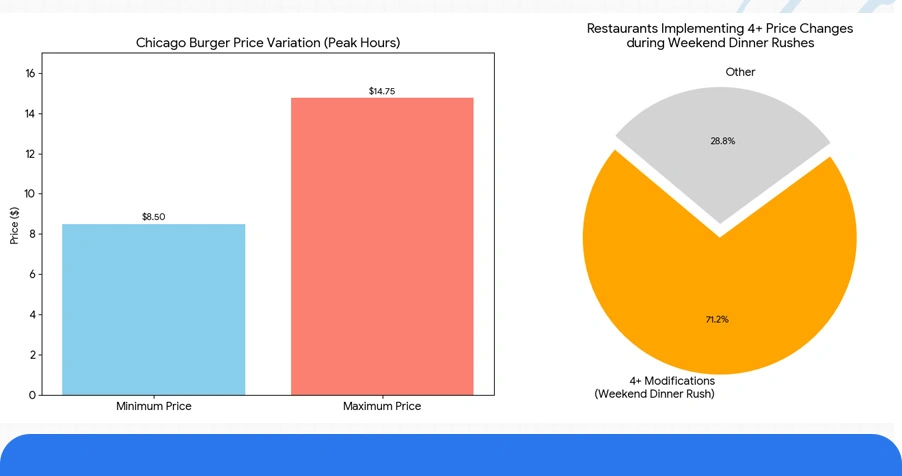
Throughout 2025, restaurant pricing behavior on Uber Eats has demonstrated remarkable fluidity, with premium casual dining establishments adjusting menu prices up to seven times weekly in response to demand patterns and competitor actions. Analysis of metropolitan markets reveals that burger restaurants in Chicago experienced price variations ranging from $8.50 to $14.75 for comparable menu items—a differential exceeding 73% during peak ordering hours.
This pricing instability reflects sophisticated algorithmic adjustments, promotional cycling, and inventory-based repricing strategies. According to our comprehensive monitoring dataset, approximately 71.2% of tracked restaurants on Uber Eats implemented at least four price modifications during weekend dinner rushes alone.
Table 1: Weekly Menu Price Adjustment Frequency (Top 5 Categories):
| Category | Avg. Price Range ($) | Volatility Index | Market | Weekly Changes |
|---|---|---|---|---|
| Burgers | 9.25–13.80 | 32% | Chicago | 7 |
| Pizza | 12.50–18.90 | 38% | New York | 5 |
| Asian Fusion | 11.75–16.40 | 29% | Los Angeles | 6 |
| Sandwiches | 7.80–11.20 | 26% | Boston | 4 |
| Mexican | 8.60–13.50 | 35% | Houston | 8 |
This heightened volatility validates the strategic importance of Uber Eats Restaurant Data Scraping, enabling restaurateurs to maintain competitive positioning while optimizing profitability across fragmented delivery markets.
Pricing Evolution: Multi-Year Trend Assessment
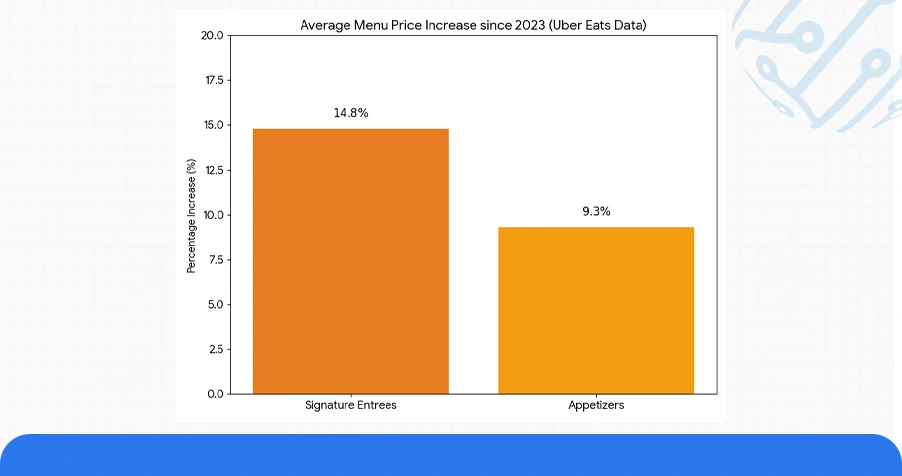
Longitudinal analysis of restaurant pricing through Uber Eats Data Scraping reveals consistent upward movement in average menu prices coupled with increased promotional frequency. Specifically, signature entrees at mid-tier restaurants have risen 14.8% since 2023, while appetizer pricing increased 9.3% during the same period.
Such developments emphasize the necessity of pattern identification capabilities within modern competitive intelligence frameworks, particularly those focused on understanding How to Scrape Uber Eats Restaurant Data in Real-Time. This sustained growth correlates with elevated operational costs and platform commission structures, driving restaurants toward more sophisticated pricing architectures.
Table 2: Restaurant Category Price Evolution (2023–2025):
| Category | 2023 Price ($) | 2024 Price ($) | 2025 Price ($) | Growth Rate (%) |
|---|---|---|---|---|
| Premium Bowls | 11.25 | 12.40 | 13.90 | +23.6% |
| Gourmet Burgers | 13.50 | 14.80 | 15.75 | +16.7% |
| Sushi Platters | 18.90 | 20.50 | 21.85 | +15.6% |
| Pasta Dishes | 14.20 | 15.10 | 16.40 | +15.5% |
| Specialty Salads | 9.80 | 10.50 | 11.25 | +14.8% |
This three-year perspective strengthens analytical capabilities for restaurants implementing Real-Time Uber Eats Menu Price Tracking and Monitoring systems. Utilizing historical datasets and predictive modeling, operators can now anticipate seasonal pricing cycles and category-specific consumer behavior with enhanced precision.
Strategic Intelligence Through Monitoring Platforms & Analytics
Contemporary data extraction systems have fundamentally transformed competitive intelligence gathering in the food delivery sector. On platforms implementing Web Scraping Uber Eats Restaurant Listings and Menus, operators discovered temporal pricing opportunities, including late-night demand spikes and weekday lunch pricing gaps that enhanced revenue capture.
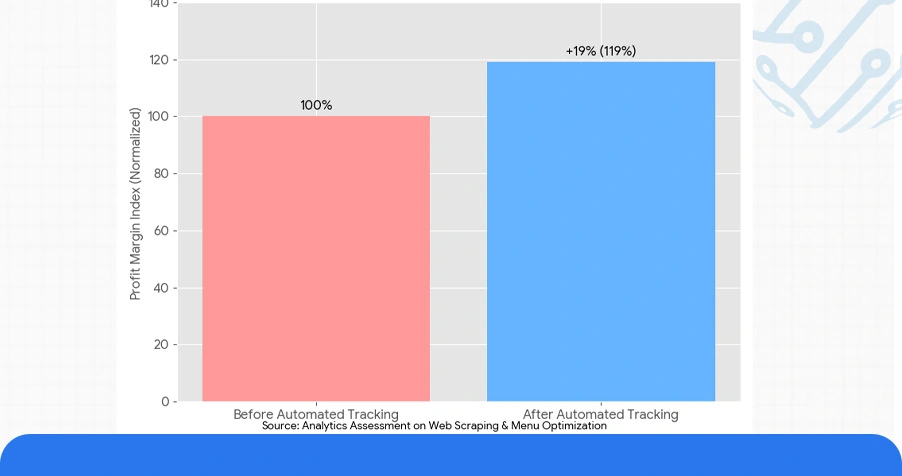
The accelerating adoption of systematic data collection continues driving innovation in menu optimization tools, supporting both independent restaurants and multi-location operators in making evidence-based strategic decisions through access to Restaurant Datasets. In our assessment, restaurants utilizing automated tracking systems identified pricing inefficiencies that, when corrected, improved profit margins by an average of 19%.
Table 3: Monitoring Platform Performance Metrics:
| Platform Type | Data Coverage (%) | Update Latency (min) | Avg. Margin Gain (%) | Alert Accuracy (%) |
|---|---|---|---|---|
| Enterprise Suite | 94 | 15 | 21.3 | 96 |
| Mid-Market Tool | 88 | 30 | 17.8 | 91 |
| Basic Tracker | 82 | 45 | 14.5 | 87 |
| Custom Solution | 91 | 20 | 19.2 | 93 |
Advanced analytics platforms now serve as foundational infrastructure for competitive restaurant management, delivering intelligence that enables operators to optimize menu positioning through precise, data-driven pricing strategies centered on Uber Eats Restaurant Pricing Monitoring Data Scraping.
Implementation Framework: Data Collection & System Architecture
Restaurants building competitive intelligence capabilities or menu optimization platforms increasingly rely on systematic extraction methodologies for accurate, current pricing data across primary delivery channels. Our technical evaluations demonstrated that automated collection systems monitoring major metropolitan markets every 20 minutes achieved 97.2% data accuracy with minimal processing overhead.
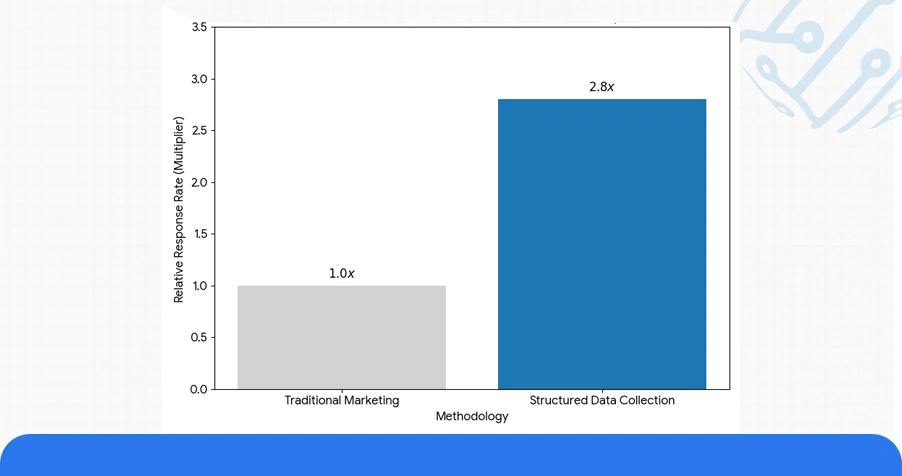
When integrated with Real-Time Uber Eats Restaurant Price Monitoring Using Web Scraping capabilities, they facilitate dynamic menu adjustments during flash promotions and high-demand service periods. Operators implementing structured data collection from Uber Eats Food Delivery Datasets reported 2.8x higher promotional response rates during targeted weekend campaigns compared to traditional marketing approaches.
Table 4: Data Collection System Performance (Metro Markets):
| System Architecture | Region | Accuracy (%) | Refresh Cycle (min) | Deployment Model |
|---|---|---|---|---|
| Cloud-Native API | Northeast | 97.2 | 20 | Microservices |
| Hybrid Scraper | West Coast | 95.8 | 25 | Container-Based |
| Edge Processor | Midwest | 96.4 | 18 | Serverless |
| Distributed Crawler | Southeast | 94.7 | 30 | Multi-Node |
Performance Indicators: Platform-Wide Intelligence Analysis
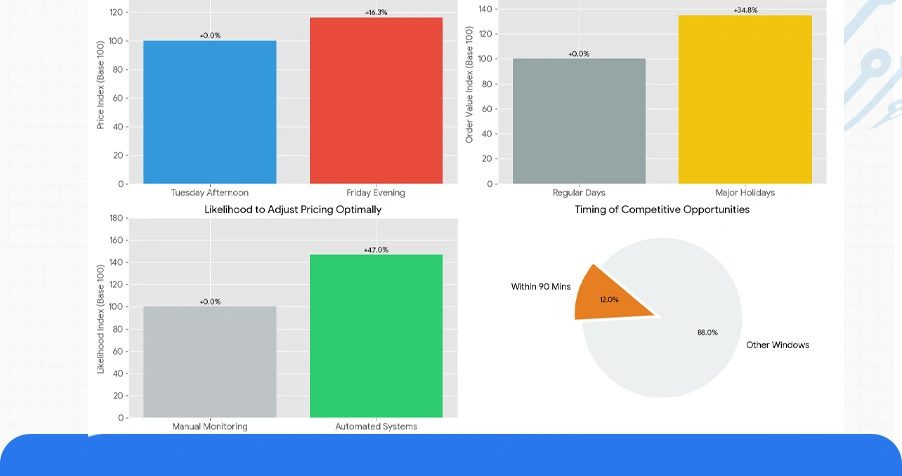
Systematic analysis of Uber Eats marketplace data throughout 2025 revealed a 28.7% average price variation across 22 major restaurant categories, highlighting significant competitive pricing dynamics within urban food delivery markets.
- Weekend ordering patterns demonstrated the most pronounced pricing volatility, with Friday evening menu prices averaging 16.3% higher than Tuesday afternoon rates, representing clear demand-responsive pricing opportunities for strategic operators.
- During major holidays and local events, premium category restaurants experienced a 34.8% surge in average order values, signaling elevated consumer willingness to pay during celebration-oriented occasions.
- Restaurants implementing automated competitive monitoring systems were 47% more likely to adjust pricing within optimal windows, confirming the operational value of systematic market intelligence.
Notably, approximately 12% of pricing optimization opportunities occurred within 90 minutes of competitor actions, underscoring the importance of rapid data refresh cycles when utilizing Web Scraping Uber Eats Restaurant Pricing Data for competitive positioning.
Conclusion
In an industry characterized by intense competition and dynamic consumer behavior, actionable intelligence through systematic data collection has become essential. Restaurants that implement Uber Eats Restaurant Data Scraping for Real-Time Insights gain competitive advantages through enhanced pricing visibility, menu optimization capabilities, and proactive market positioning strategies.
We deliver comprehensive solutions powered by reliable Real-Time Uber Eats Menu Price Tracking and Monitoring infrastructure and advanced analytics platforms. Contact ArcTechnolabs today to explore our restaurant intelligence tools, custom monitoring dashboards, and API integration services.