Introduction
In today’s hyper-competitive food delivery ecosystem, customer retention has become more critical than acquisition. Platforms like Zomato are not just competing on pricing or variety but on personalized experiences, timely delivery, and consistent engagement. This is where Food Delivery Dataset Analysis plays a pivotal role in identifying behavior patterns, churn signals, and engagement opportunities.
With increasing user expectations, companies must go beyond traditional analytics and adopt advanced strategies that combine historical datasets with real-time insights. The integration of Zomato Data Analytics for Customer Retention Growth enables businesses to segment customers effectively and predict future behavior. These insights not only improve retention rates but also optimize marketing investments.
Additionally, businesses utilizing Zomato Dataset Customer Retention strategies are achieving higher customer lifetime value by targeting the right audience with the right offers at the right time. Ultimately, data analytics transforms raw food delivery data into actionable intelligence, helping businesses achieve sustainable growth and a measurable boost in retention rates.
Understanding User Behavior to Detect Drop-Off Trends Early
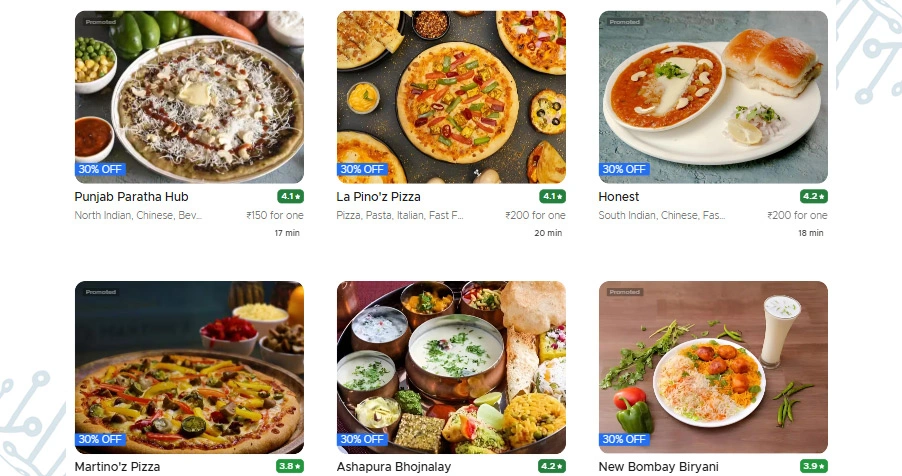
Understanding why users disengage is essential for improving retention in food delivery platforms. By incorporating Web Scraping, businesses can gather competitor benchmarks and user interaction signals at scale, helping identify gaps in service and experience.
Analyzing behavioral trends enables companies to track order frequency decline, session duration, and inactivity periods. Leveraging Zomato Customer Retention Data Insights, organizations can categorize users based on their activity patterns and identify high-risk segments.
Moreover, businesses that apply Zomato Data-Driven Customer Retention strategies can proactively resolve pain points before users abandon the platform. For instance, identifying users who frequently abandon carts or delay orders can lead to targeted engagement strategies like personalized notifications or limited-time offers.
Key Behavioral Indicators Table:
| Metric | Insight Derived | Action Taken |
|---|---|---|
| Order Frequency Drop | Reduced engagement | Targeted discount campaigns |
| Increased Delivery Time | Dissatisfaction signals | Optimize delivery logistics |
| Low App Interaction | Reduced interest | Push personalized notifications |
| Negative Reviews Spike | Service quality concerns | Improve vendor performance |
Organizations implementing these methods have reported noticeable improvements in user retention and engagement. Data-backed decisions ensure that customer concerns are addressed efficiently, leading to stronger relationships and long-term loyalty.
Enhancing User Engagement Through Personalized Data Strategies
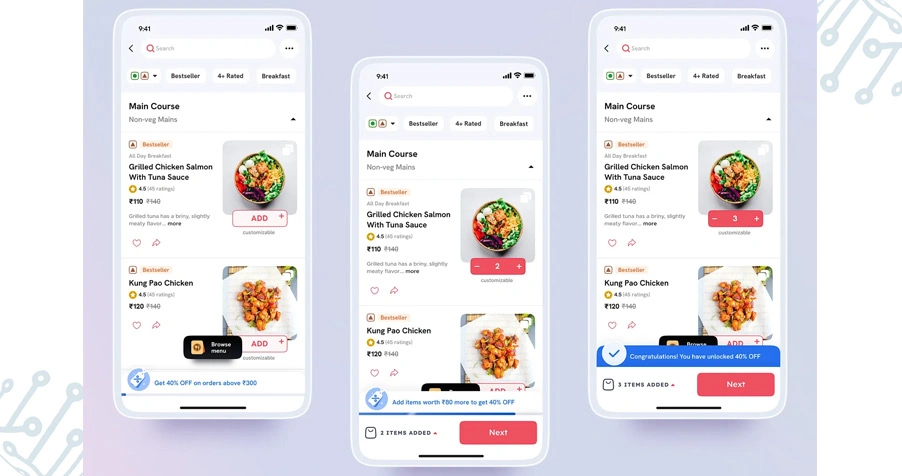
Personalization is a powerful driver of user engagement in modern food delivery ecosystems. Customers expect platforms to understand their preferences and deliver relevant recommendations. By adopting Food Delivery Data Scraping, businesses can continuously collect real-time data from multiple touchpoints, ensuring accurate and updated user profiles.
The implementation of Food Delivery Data Analytics for Retention allows companies to segment customers effectively based on order history, cuisine choices, and behavioral patterns. This segmentation supports tailored campaigns that resonate with individual users, improving satisfaction and repeat ordering behavior.
In addition, insights derived from Zomato Business Intelligence Dataset enable businesses to identify peak ordering times, regional preferences, and trending cuisines. These insights help create hyper-personalized experiences that align with customer expectations and increase engagement levels.
Personalization Impact Table:
| Strategy | Outcome | Retention Impact |
|---|---|---|
| Customized Offers | Higher engagement | Increased repeat orders |
| Smart Recommendations | Improved user satisfaction | Reduced churn |
| Time-Based Notifications | Better response rates | Higher app usage |
| Loyalty Programs | Increased customer lifetime value | Stronger brand loyalty |
Businesses focusing on personalized strategies have achieved consistent improvements in retention rates. Data-driven personalization ensures that customers receive meaningful interactions, strengthening brand loyalty over time.
Driving Marketing Efficiency with Predictive Data Modeling Techniques
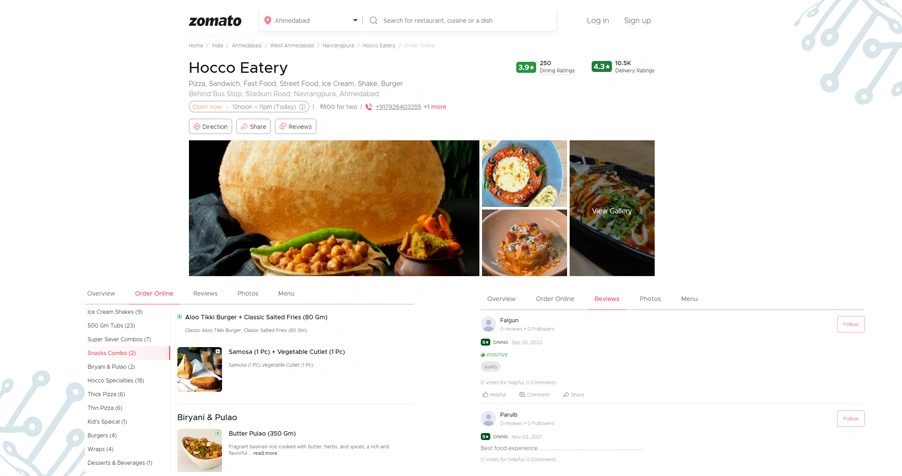
Effective marketing strategies depend on understanding customer intent and predicting future behavior. Predictive analytics plays a key role in enabling businesses to design campaigns that align with user expectations. By learning How to Use Food Delivery Dataset for Retention Analysis, organizations can transform raw data into actionable insights for campaign optimization.
Analyzing historical user data helps forecast future actions, allowing businesses to target the right audience at the right time. This reduces marketing inefficiencies and improves conversion rates. Additionally, identifying Who Uses Zomato Datasets for Business Intelligence provides valuable benchmarks, helping companies refine their strategies based on industry best practices.
Advanced models can also detect patterns in customer engagement, enabling the creation of re-engagement campaigns tailored to inactive users. Seasonal trends and ordering behaviors further support the design of effective promotional strategies.
Campaign Optimization Table:
| Campaign Type | Data Used | Result |
|---|---|---|
| Re-Engagement Campaigns | Inactive user data | Increased return rate |
| Seasonal Promotions | Historical order trends | Higher conversion rates |
| Referral Programs | User network data | Expanded customer base |
| AI-Based Campaigns | Predictive user behavior | Improved ROI |
Organizations adopting predictive analytics have reported improved campaign efficiency and stronger customer engagement. These data-backed strategies ensure sustained growth and long-term retention success.
How ArcTechnolabs Can Help You?
Achieving consistent retention growth requires more than just collecting data—it demands strategic execution. Businesses looking to scale effectively can benefit from Zomato Data Analytics for Customer Retention Growth by integrating advanced analytics frameworks and automation tools tailored to their needs.
Our Key Capabilities:
- Build scalable data pipelines for continuous insights.
- Develop advanced customer segmentation models.
- Design personalized recommendation systems.
- Implement predictive analytics for churn prevention.
- Optimize campaign performance using AI-driven insights.
- Integrate real-time dashboards for decision-making.
With our expertise, businesses can align their strategies with industry best practices and extract meaningful insights from complex datasets. By incorporating Zomato Dataset Customer Retention, we ensure that every decision is backed by reliable data and measurable outcomes.
Conclusion
Customer retention has become a defining factor for success in the food delivery industry, where competition is intense and user expectations are constantly evolving. Businesses that adopt Zomato Data Analytics for Customer Retention Growth can transform their approach by using data-driven insights to enhance user experiences and reduce churn effectively.
By combining predictive analytics, personalization, and strategic execution, organizations can build long-term customer relationships and maximize value. Integrating Zomato Customer Retention Data Insights ensures continuous improvement in engagement strategies. Start optimizing your retention strategy with ArcTechnolabs today with data-powered solutions and drive sustainable growth for your business.